
Baldur’s Gate 3’s Triumph: How Larian Studios Elevates the Forgotten Realms Amidst D&D’s Shifting Tides










Popular Now
 Among Us
 Fortnite
FIFA 23
Fortnite
FIFA 23
 Candy Crush Saga
 Rust
Rust
 Schedule I
 Geometry Dash
 EA SPORT FC 25
 Poppy Playtime
 Warframe
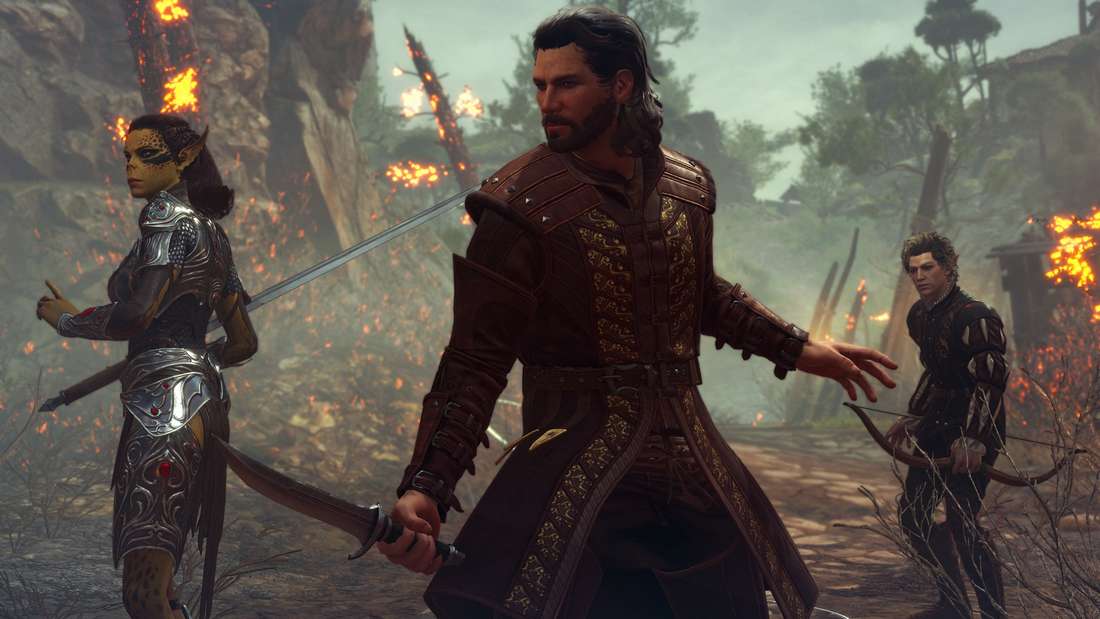 In an era where the venerable Dungeons & Dragons franchise navigates complex terrain, including significant shifts in its digital and publishing strategies, one particular venture has not merely met expectations but soared above them: Larian Studios’ Baldur’s Gate 3. This critically acclaimed CRPG has not only reinvigorated interest in the iconic Forgotten Realms setting but has also set a new benchmark for narrative-driven role-playing games, proving that deep lore, player agency, and a commitment to quality can overcome broader industry challenges.
The announcement and subsequent release of Baldur’s Gate 3 captivated audiences worldwide, particularly appealing to fans of classic fantasy adventure games and newcomers alike. Its meticulous adaptation of the D&D 5th Edition ruleset, combined with Larian’s signature freedom of choice and consequence, forged an experience that resonated deeply. This success is particularly poignant given the backdrop of recent controversies surrounding Wizards of the Coast’s handling of the Open Game License (OGL) and perceived missteps in some official D&D digital initiatives. Baldur’s Gate 3 emerges as a shining example of how a dedicated development team can leverage a beloved intellectual property to deliver an unparalleled premium RPG experience.
Navigating the Current D&D Landscape: A Tale of Two Tiers
The Dungeons & Dragons brand, managed by Wizards of the Coast, a subsidiary of Hasbro, has experienced a rollercoaster of public sentiment in recent years. While the tabletop game continues to enjoy widespread popularity, fueled by a vibrant community and popular Actual Play series, its digital manifestations and business decisions have faced scrutiny. Issues such as the proposed changes to the OGL, which threatened independent content creators, and the lukewarm reception of some official digital tools, created a climate of apprehension among fans and stakeholders in the gaming industry.
It is within this challenging environment that Baldur’s Gate 3’s performance becomes even more remarkable. Far from being weighed down by these external factors, the game demonstrated an intrinsic appeal rooted in its quality and respect for its source material. Larian Studios, known for its Divinity: Original Sin series, approached the Forgotten Realms with both reverence for its extensive lore and an innovative spirit, crafting a game that felt authentically D&D while pushing the boundaries of the CRPG genre. This separation of success highlights a crucial distinction: while the brand owner navigates corporate strategy, a talented developer can still deliver immense value and a positive perception through superior product execution.
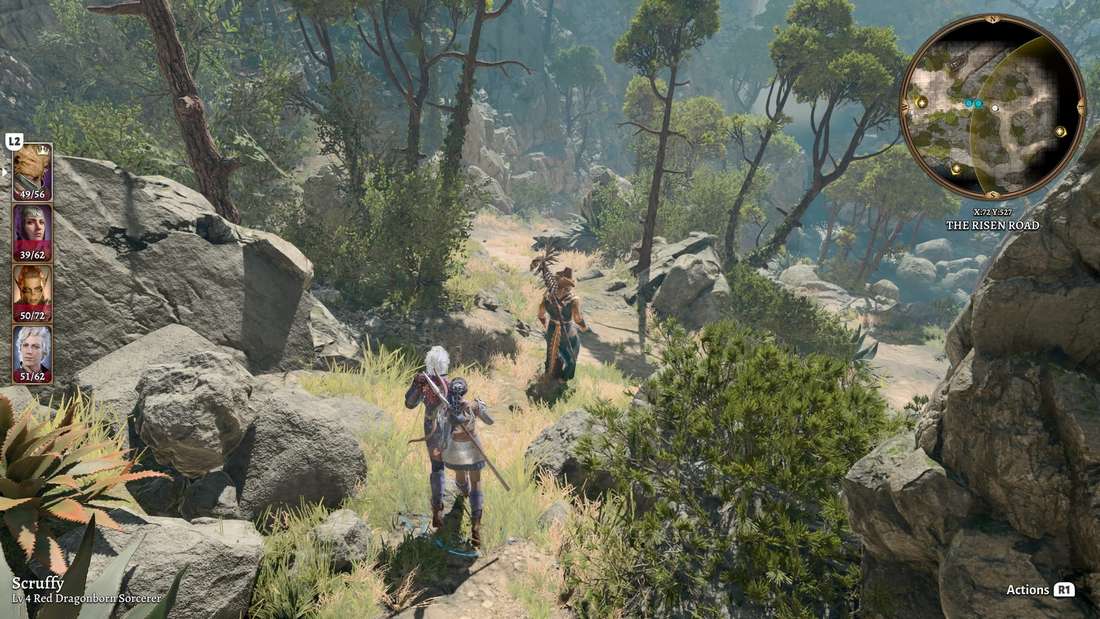 Larian’s Masterclass in Adaptation and Narrative Design
What makes Baldur’s Gate 3 such a triumph for the Forgotten Realms? Several key elements stand out, cementing its status as a benchmark for fantasy role-playing games:
- Unprecedented Player Agency: The game offers an almost unparalleled level of player choice and consequence. Every decision, from dialogue options to combat tactics and moral dilemmas, feels impactful, shaping the narrative in profound ways. This high degree of freedom fosters immense replayability and personal investment, a core tenet of the D&D experience.
- Deep, Engaging Narrative: Baldur’s Gate 3 presents a sprawling, multi-layered story filled with memorable characters, intricate plots, and genuinely compelling moral ambiguities. The writing respects the vast D&D lore while introducing fresh, captivating elements, making the Forgotten Realms feel alive and dynamic.
- Rich Character Development: The companion characters are among the best ever seen in a CRPG. Each boasts a complex backstory, evolving personal quests, and distinct personalities that react dynamically to the player’s actions. These relationships form the emotional core of the game, enriching the narrative significantly.
- Faithful yet Innovative Combat: Adapting the turn-based combat of D&D 5th Edition to a video game format is no small feat. Larian achieved this by retaining the strategic depth of the tabletop rules while introducing environmental interactions and a fluidity that makes every encounter feel engaging and tactical.
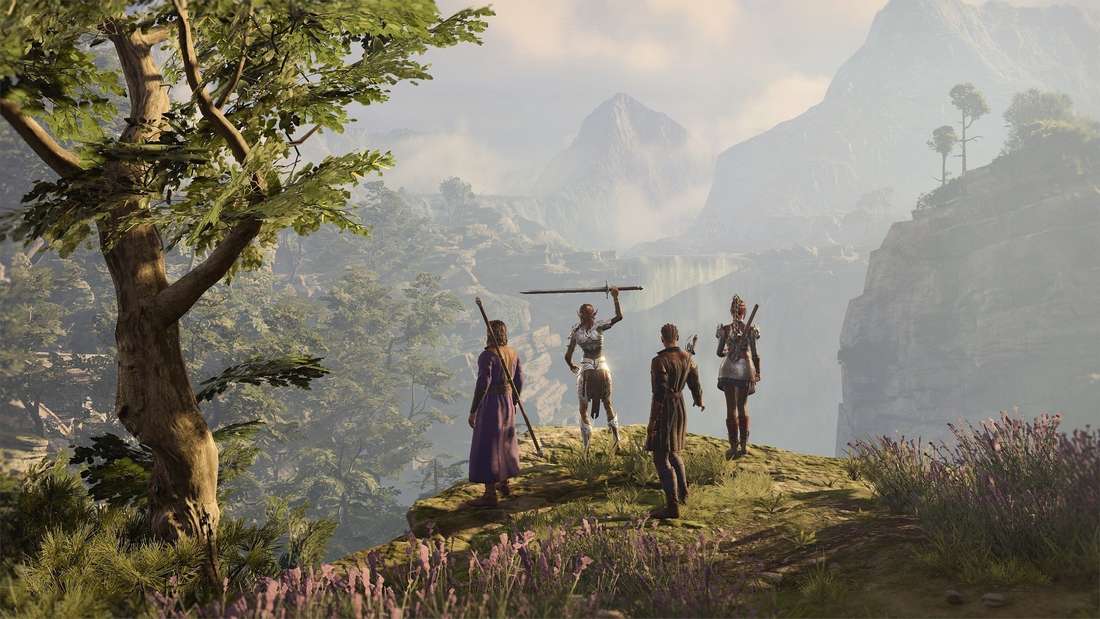
- Stunning World-Building: The visual and auditory presentation of Faerûn is breathtaking. From the sprawling city of Baldur’s Gate to the darkest Underdark caverns, every environment is meticulously crafted, enhancing immersion and bringing the fantasy world to life in vivid detail. This commitment to aesthetic quality elevates the entire digital entertainment experience.
The meticulous attention to detail in every facet of game development — from voice acting and musical score to intricate quest design and bug fixing — underscores Larian’s dedication to quality. This commitment is what transforms Baldur’s Gate 3 from a mere D&D adaptation into an industry-defining CRPG.
 Impact and Future Implications for the Forgotten Realms
Baldur’s Gate 3’s astronomical success, both critically and commercially, serves as a powerful testament to the enduring appeal of the Dungeons & Dragons universe when handled with care and creative vision. The game has garnered numerous awards, achieved staggering game sales figures, and cultivated a passionate player base, proving that there is a significant market for high-quality, deep, narrative-focused RPGs. This success provides an invaluable blueprint for future adaptations and serves as a powerful reminder to intellectual property holders about the importance of empowering talented developers.
For the Forgotten Realms, Baldur’s Gate 3 represents not just a resurgence, but a revitalization. It has introduced a new generation of players to the rich tapestry of Faerûn, likely inspiring many to delve into the tabletop game and its extensive library of novels and sourcebooks. In a marketplace increasingly dominated by live-service games and microtransaction models, Baldur’s Gate 3 stands as a beacon for the power of a complete, premium product — an investment in a meticulously crafted world that delivers exceptional player engagement and a tangible return on both creative and financial investment.
Ultimately, while D&D as a brand navigates its own challenges, Larian Studios’ Baldur’s Gate 3 demonstrates unequivocally that the inherent strength, depth, and potential of the Forgotten Realms are formidable. It has not merely sidestepped the surrounding issues but has risen triumphantly above them, reminding everyone what truly exceptional storytelling and game development can achieve within a beloved fantasy universe.