
The Fading Shadow: Has Call of Duty’s Black Ops Series Lost Its Soul?









Popular Now
 Minecraft
 Gacha Club
 Call of Duty
 Brawl Stars
Counter-Strike 2
Brawl Stars
Counter-Strike 2
 Schedule I
 The Legend of Zelda
 Rust
Rust
 Poppy Playtime
 Candy Crush Saga
 The Fading Shadow: Has Call of Duty’s Black Ops Series Lost Its Soul?
For a franchise built on the mystique of covert operations, psychological warfare, and morally ambiguous narratives, the recent trajectory of the Call of Duty: Black Ops series raises a critical question: has it forgotten its roots? What began as a groundbreaking exploration of Cold War espionage and the blurred lines of conflict has, for many veteran players and critics within the gaming industry, evolved into something almost unrecognizable. This shift prompts a re-evaluation of the brand’s identity and its future within the highly competitive first-person shooter market.
The original Black Ops, released by Treyarch in 2010, was a masterclass in storytelling. It immersed players in a complex narrative featuring mind-bending twists, historical intrigue, and a cast of memorable characters like Alex Mason and Viktor Reznov. The game embraced a gritty realism, albeit within the confines of its narrative, and presented a distinct alternative to the bombastic, modern combat scenarios of the Modern Warfare series. It delved into the psychological toll of war, the secrets of clandestine operations, and the ethical dilemmas inherent in state-sponsored violence. This era of COD offered more than just exhilarating multiplayer experience; it delivered a profound campaign storytelling.
The Core Identity: What Black Ops Truly Meant
At its heart, the early Black Ops games, particularly the first two installments, were defined by several key pillars:
- Cold War Espionage and Conspiracy: A deep dive into the political machinations and secretive conflicts of the mid-to-late 20th century. This theme provided a rich backdrop for intrigue and suspense.
- Psychological Thriller Elements: The narratives often played with perception, memory, and the psychological impact of MKUltra-style programs, making players question reality.
- Moral Ambiguity: Heroes and villains were rarely clear-cut. Players often found themselves performing actions with questionable ethics for a perceived greater good.
- Gritty Realism with a Cinematic Flair: While always a video game, the visual and thematic tone leaned towards a more grounded, serious depiction of conflict compared to its contemporaries.
- Distinct Multiplayer Aesthetic: A focus on solid gunplay, traditional map designs, and an overall atmosphere that complemented the campaign’s dark themes.
These elements combined to forge an identity that was distinct, mature, and critically acclaimed. The second installment, Black Ops II, further expanded on this by introducing branching storylines and near-future elements without fully abandoning its espionage core.
The Divergence: Where Did the Path Split?
The journey away from this core identity became noticeable with Call of Duty: Black Ops III. While mechanically sound and introducing an engaging (though different) multiplayer experience with its specialist abilities and advanced movement systems, the game plunged headfirst into a futuristic, sci-fi setting. The narrative, though attempting to be complex, often felt convoluted and detached from the grounding themes of its predecessors. It was a clear departure, prioritizing frenetic, high-tech combat over the nuanced tactical espionage that defined the series.
Black Ops 4 then took an even more radical step. Abandoning a traditional single-player campaign entirely, it focused on multiplayer, a new battle royale mode called Blackout, and the ever-popular Zombies mode. While popular with a segment of the player base for its competitive focus, the lack of a campaign was a significant blow to those who cherished the series’ narrative depth. This signaled a shift towards a pure live-service model, prioritizing ongoing engagement and microtransactions over a foundational story experience.
Even Call of Duty: Black Ops Cold War, which seemingly promised a return to the series’ roots by revisiting the Cold War era, felt like a compromise. While it brought back a campaign and connected to the original narrative, its execution often felt like a blend of modern COD game design philosophies with an attempt to recapture old magic. The influence of the broader COD franchise mechanics and the pressure to integrate with Warzone diluted its unique flavor. The game, while enjoyable for many, didn’t quite capture the distinct essence or the sheer narrative daring of the first Black Ops title.
The Impact on Player Engagement and Franchise Identity
This evolving identity crisis has tangible consequences. For long-time fans, the Black Ops name no longer carries the same weight or promise it once did. The distinctive brand, once a beacon of intricate storytelling and unique themes, has become increasingly interchangeable with other Call of Duty sub-franchises. This blurring of lines can lead to player fatigue and a sense that the series lacks innovation in its core conceptual framework.
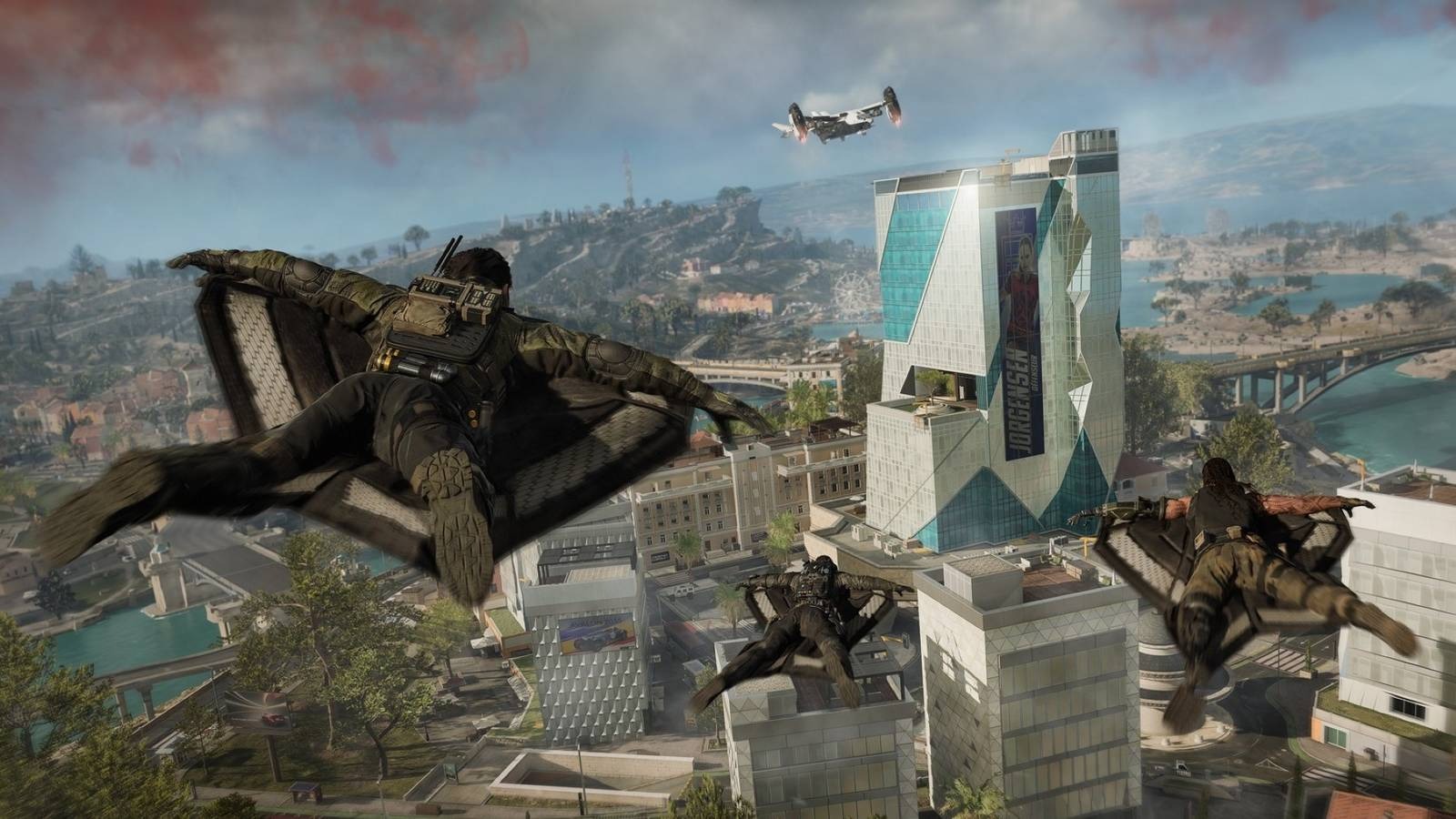
The emphasis on specialists, advanced movement, and hero-shooter mechanics in some installments, while popular for a time, moved the focus away from the more grounded, tactical gameplay that defined the early titles. The integration with Warzone and the pressure to maintain a consistent multiplayer progression system across titles further homogenizes the experience, making it harder for any single entry to truly stand out on its own thematic merits.
Furthermore, the high financial stakes in the gaming industry often push developers towards safe, commercially proven models. The success of Battle Royale and live service games means that elements that once defined a unique series might be sacrificed for broader appeal and sustained revenue. This impacts game development choices significantly, often at the expense of narrative depth or thematic purity.
Can Black Ops Reclaim Its Legacy?
The question remains whether Treyarch and Activision can steer the Black Ops series back towards its foundational principles. A true return would likely involve:
- Prioritizing a Grounded, Mature Narrative: Focusing on a compelling, standalone campaign that emphasizes espionage, psychological elements, and moral complexity without relying heavily on sci-fi tropes or a shared universe’s constraints.
- Refining Multiplayer Identity: Developing a multiplayer experience that feels distinctively Black Ops, perhaps by limiting overtly futuristic elements, focusing on classic COD gameplay mechanics, and designing maps that encourage tactical play over constant verticality.
- Embracing Thematic Consistency: Ensuring that all aspects of the game—campaign, multiplayer, and even Zombies—align with a coherent thematic vision rooted in covert operations and historical intrigue.
- Listening to Player Feedback: Actively engaging with the community’s desire for a return to form, acknowledging the nostalgia for the original vision, while still innovating.

The current landscape of first-person shooters is vast and competitive. For Call of Duty: Black Ops to not just survive but thrive and reclaim its position as a unique voice, it must remember what made it special in the first place. The series has a rich legacy of pushing boundaries in storytelling and atmosphere. To truly honor the ‘Black Ops’ name, it might be time to step back from the future and delve once more into the shadows of the past, rediscovering the narrative depth and psychological intensity that originally captivated millions of players worldwide. Only then can it truly offer the premium gaming experience its brand once promised.