
Demon Slayer Deep Dive: Unpacking Koyoharu Gotouge’s Revelation on Tanjiro Kamado’s Hashira Status and Its Gaming Implications









Popular Now
Poppy Playtime
 Among Us
 Fall Guys
 Minecraft
 Sonic the Hedgehog™ Classic
 Garena Free Fire: Kalahari
 Candy Crush Saga
The Legend of Zelda
Candy Crush Saga
The Legend of Zelda
 Call of Duty
 EA SPORT FC 25
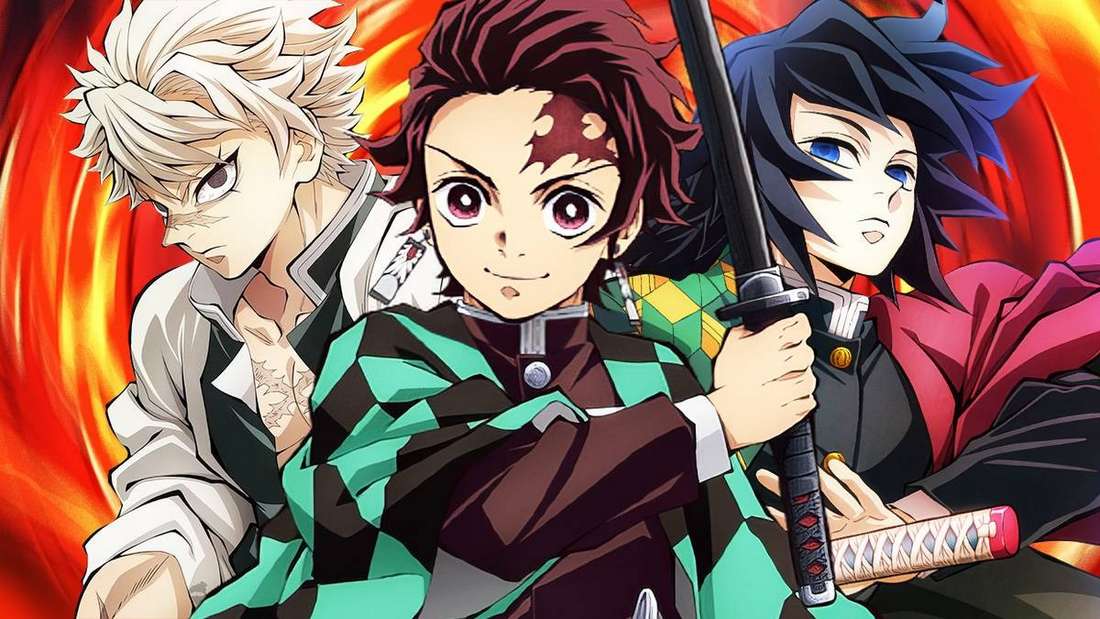 Breaking news from the world of Taisho-era demon slaying provides crucial insight into one of the most enduring mysteries of the acclaimed franchise: why Tanjiro Kamado, the protagonist whose journey captivated millions, never officially ascended to the rank of a Hashira. Renowned author Koyoharu Gotouge, the brilliant mind behind Demon Slayer: Kimetsu no Yaiba, has shed light on this pivotal narrative decision, offering fans and the broader gaming community a deeper understanding of the series’ character development and ultimate themes. This revelation not only enriches the established lore but also provides a fascinating lens through which to appreciate the narrative depth that future Demon Slayer game adaptations and current titles like Demon Slayer: The Hinokami Chronicles strive to capture.
For years, the question of Tanjiro’s Hashira potential has fueled countless fan discussions, theories, and debates across online forums and social media. Given his unparalleled growth, mastery of multiple Breath Styles including the Sun Breathing, and instrumental role in the defeat of Muzan Kibutsuji, many believed his elevation was an inevitability. Yet, as the manga concluded and the anime continued its monumental run, the coveted title remained elusive for the young slayer. Gotouge’s recent commentary, reportedly from interviews or supplementary materials now circulating among the dedicated fandom, clarifies this narrative choice, emphasizing philosophical underpinnings rather than a mere power-scaling oversight.
 The Author’s Intent: Beyond Raw Power and Ranks
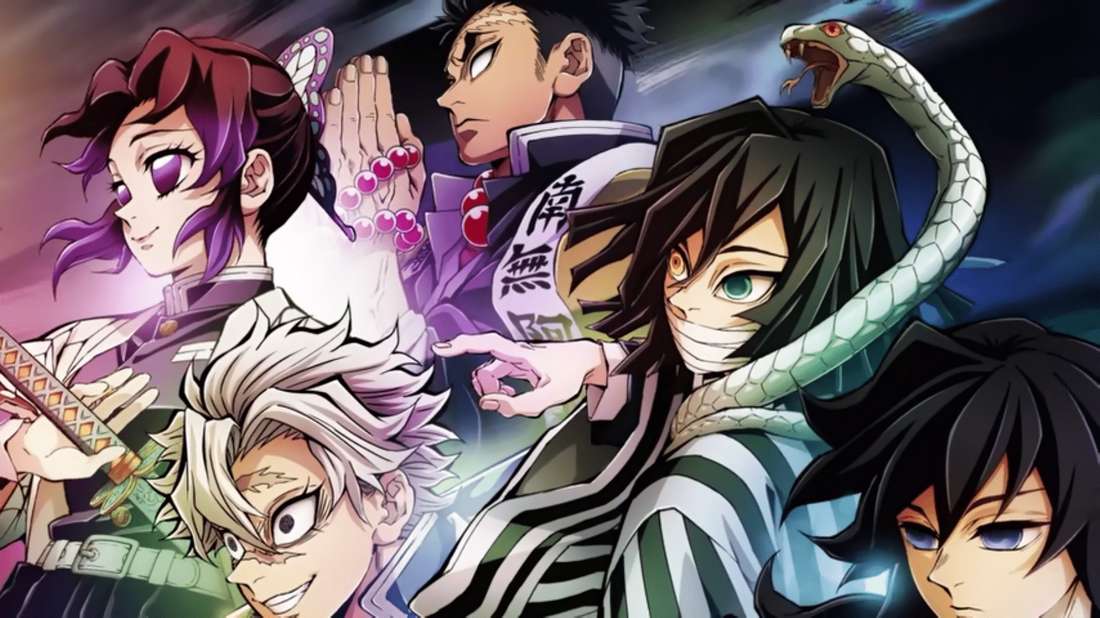
Gotouge’s explanation, as pieced together from various reliable Japanese fan communities and translated insights, posits that Tanjiro’s ultimate arc was never about achieving a hierarchical title within the Demon Slayer Corps. Instead, his journey was fundamentally rooted in his humanity, empathy, and his singular mission to cure his sister, Nezuko. The Hashira rank, while representing the pinnacle of power and dedication within the Corps, also comes with inherent responsibilities and a certain detachment necessary for leadership. Tanjiro’s strength lay not in his ability to command or to embody an unyielding pillar, but in his unwavering compassion, his ability to connect with even the most monstrous of demons, and his refusal to sacrifice his humanity for power.
This perspective fundamentally reframes how fans perceive Tanjiro’s character. His power was immense, certainly, making him capable of rivaling or even surpassing some Hashira in terms of raw combat prowess by the series’ climax. However, his defining characteristic was his innate kindness and his desire for reconciliation, even with his enemies. A Hashira’s role is primarily to protect humanity by eradicating demons, a duty that often requires harsh pragmatism. Tanjiro, conversely, often sought to understand and empathize, a trait that while heroic, might not align with the strict requirements of a Hashira position. This crucial distinction highlights Gotouge’s masterful character writing and commitment to a protagonist whose heroism is defined by heart, not just by strength statistics.
 Implications for Demon Slayer Game Lore and Character Builds
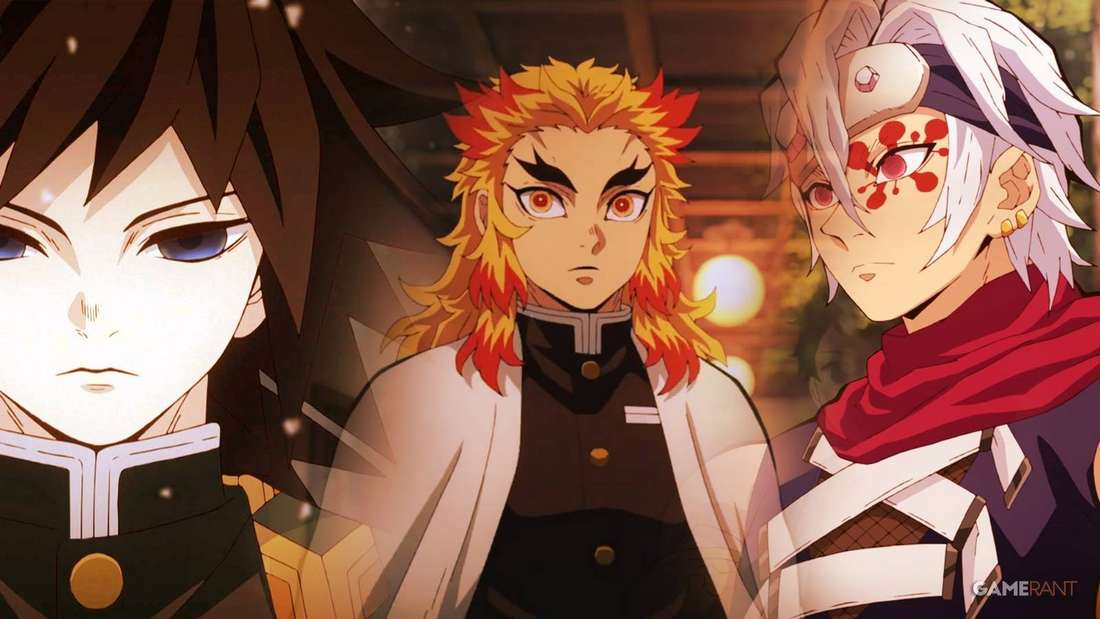
This authoritative clarification from Gotouge holds significant weight for the development of future Demon Slayer games and how existing titles are perceived. In action-packed fighting games like Demon Slayer: The Hinokami Chronicles, players often gravitate towards characters with the highest power levels and unique abilities. Tanjiro, with his Hinokami Kagura and various Breath of Water forms, is undoubtedly a formidable character. However, this new lore insight reminds players that his true strength transcends mere combat metrics. Developers of potential Demon Slayer RPGs or open-world adventures could leverage this insight to design gameplay mechanics that emphasize empathy, difficult moral choices, and character interactions over purely destructive combat. Imagine a game where certain encounters can be resolved not just by fighting, but by understanding and even forgiving, reflecting Tanjiro’s core philosophy.
Furthermore, this revelation challenges common player expectations in competitive gaming environments. When considering