
Final Fantasy XVII: Unpacking the Colossal Fan Expectations for a Game That Doesn’t Yet Exist







Popular Now
 Gacha Club
 Minecraft
 Fall Guys
God of War Ragnarök
Fall Guys
God of War Ragnarök
 Free Fire
 Minecraft
 Black Myth: Wukong
 Stumble Guys
 Valorant
 Genshin Impact
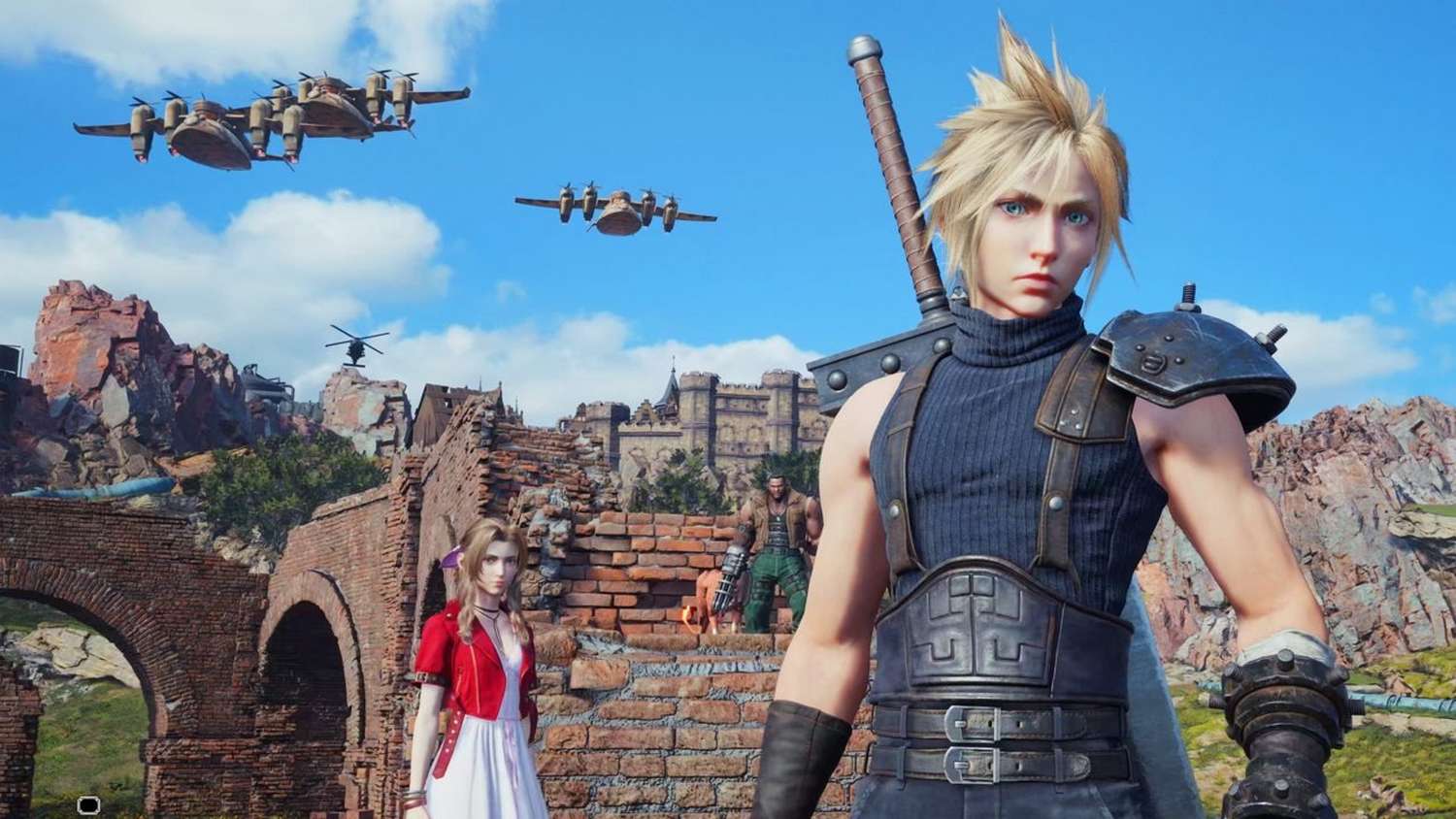 The gaming world is no stranger to anticipation, but the pre-emptive hype surrounding Final Fantasy XVII has reached an almost mythical status. Long before any official announcements, concept art, or even a release window, fans of Square Enix’s venerable JRPG series are already building a monumental wish list, setting a bar so high it could redefine developer pressure in the AAA game development landscape. This phenomenon is a testament to the franchise’s enduring legacy and its capacity to consistently innovate, yet it also presents an unprecedented challenge for its creators.
The Weight of a Legendary Franchise: A Legacy of Innovation
The Final Fantasy series has, for decades, captivated audiences with its groundbreaking storytelling, intricate character development, and evolving gameplay mechanics. From the strategic turn-based combat of earlier entries like Final Fantasy VII and Final Fantasy X to the action-oriented shifts seen in Final Fantasy XV and Final Fantasy XVI, each new iteration typically brings significant changes while retaining core thematic elements. This history of reinvention has conditioned players to expect not just a new story, but a paradigm shift in the genre. Every installment is viewed not merely as a sequel but as a statement, a new benchmark for cinematic storytelling and innovative gameplay. The sheer weight of this JRPG legacy means that Final Fantasy XVII is already burdened with the expectation of being a revolutionary title, even in its hypothetical state.
Recent Triumphs and Future Trajectories: Learning from Final Fantasy XVI and VII Remake
Recent releases have significantly shaped what fans anticipate from the next mainline installment. Final Fantasy VII Remake and its sequel, Final Fantasy VII Rebirth, showcased a masterful blend of nostalgia with modern action-RPG combat, setting new standards for narrative expansion and graphical fidelity on PlayStation 5. Simultaneously, Final Fantasy XVI pushed the boundaries of real-time action RPG combat with its mature narrative and stunning Eikon battles, offering a darker, more politically charged fantasy setting. While these games garnered critical acclaim, they also sparked debates among the fanbase regarding the series’ direction – particularly the shift away from traditional turn-based systems. For Final Fantasy XVII, fans are looking for a title that synthesizes the best elements of these recent successes, demanding not only breathtaking next-gen graphics but also a deeply engaging story, rich character arcs, and a combat system that feels both fresh and uniquely ‘Final Fantasy.’ The expectation for robust PC gaming performance and cross-platform optimization is also a rising trend, reflecting broader gaming industry trends.
The Power of Modern Technology: Unreal Engine 5 and Next-Gen Immersion
The technological leap afforded by modern game engines like Unreal Engine 5 fuels much of the speculative excitement. Gamers envision Final Fantasy XVII leveraging UE5’s capabilities to deliver unparalleled visual fidelity, from hyper-realistic character models and intricate environmental details to dynamic weather systems and expansive, seamless open worlds. Features like 4K resolution, advanced ray tracing, and the rapid loading times enabled by SSD optimization are now baseline expectations for a flagship title on current-generation consoles and high-end PCs. The dream for Final Fantasy XVII is an experience that transcends mere gameplay, offering truly next-gen gaming experiences that are visually stunning and deeply immersive, pushing the boundaries of what open-world design can achieve within a narrative-driven framework.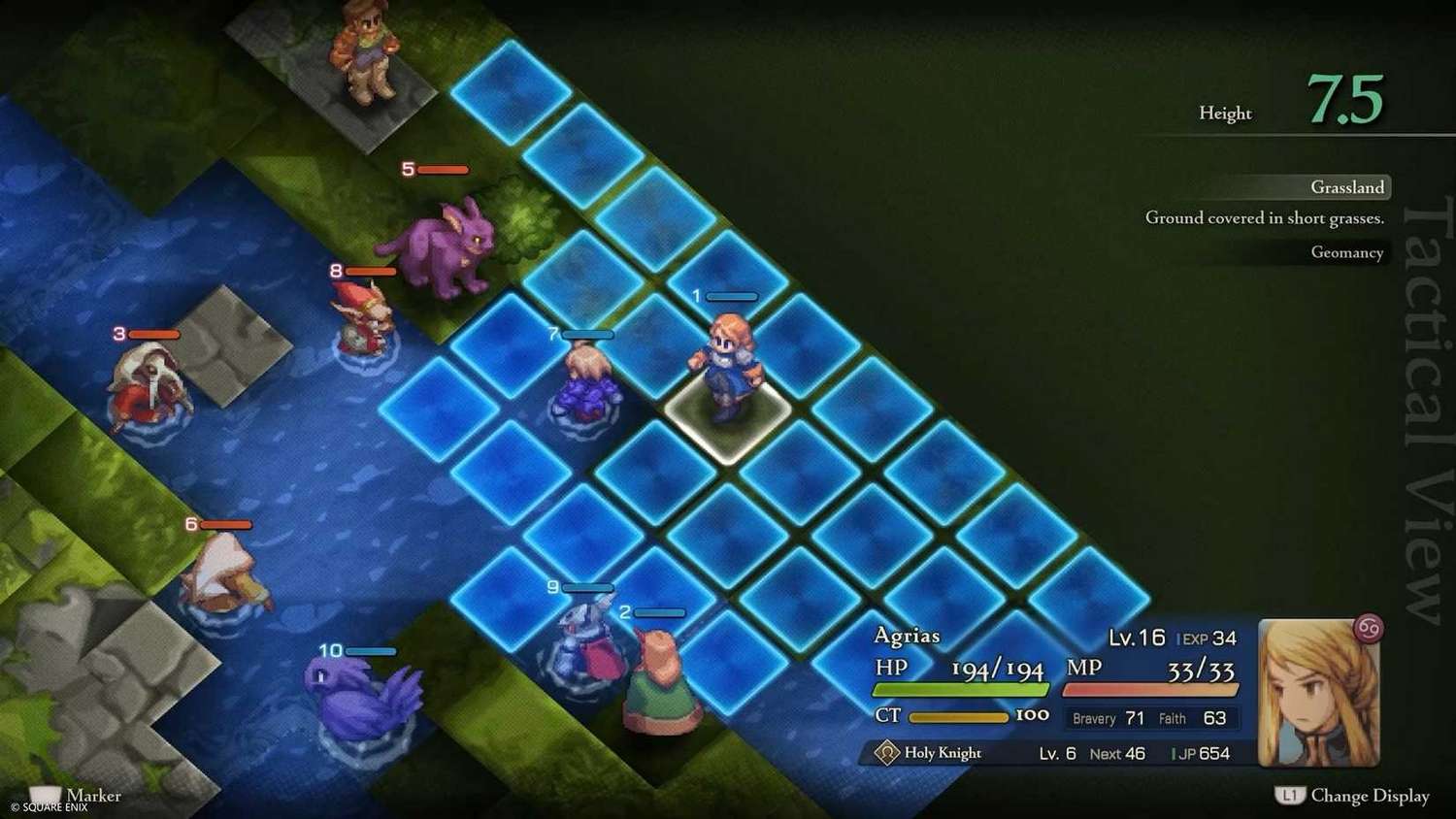
Community Whispers and Speculative Dreams: Shaping Expectations Online
The internet, specifically platforms like Reddit, Twitter, and dedicated gaming community forums, acts as a powerful echo chamber for fan theories and speculation. Without any official information, players have been tirelessly dissecting every past game, developer interview, and industry rumor to piece together their ideal vision for Final Fantasy XVII. Discussions range from desired artistic direction (return to high fantasy vs. sci-fi elements), potential character archetypes, specific job systems, to narrative themes that might resonate with contemporary issues. This collective imagining creates a dynamic feedback loop, where the sheer volume of discussion solidifies certain ideas as ‘expected features.’ This intense social media impact means that even before development truly begins, a de facto set of demands has been codified by the passionate fanbase, turning abstract concepts into concrete expectations for Square Enix.
The Developers’ Dilemma: Innovating While Honoring Tradition
For Square Enix’s development teams, the road to Final Fantasy XVII is fraught with unique challenges. The pressure to innovate while honoring a diverse and beloved tradition is immense. How do you create a game that satisfies fans who adore the classic turn-based systems, those who embraced the real-time action, and those who prioritize narrative above all else? The tightrope walk involves striking a delicate balance between pushing creative boundaries and delivering enough familiar elements to maintain the series’ identity. Furthermore, the rising game development costs associated with crafting a AAA game of this scale mean that every design choice must be carefully weighed against both fan expectations and financial viability. This constant demand for freshness combined with reverence for the past is perhaps the biggest hurdle in the franchise innovation process, placing significant developer pressure on the creative teams.
Anticipated Gameplay Mechanics: Combat, Exploration, and Systems
Regarding specific gameplay, the community’s desires for Final Fantasy XVII are multi-faceted. The ongoing debate around the combat system evolution is central; some clamor for a return to strategic turn-based RPG mechanics, while others praise the visceral action of Final Fantasy XVI. Regardless of the system, a deep, engaging combat experience with satisfying progression and diverse abilities is paramount. Beyond combat, expectations include an expansive open-world RPG that encourages genuine exploration, filled with meaningful side quests that avoid repetitive fetch mechanics. Robust character customization, whether through job classes, equipment, or skill trees, is a common demand, alongside compelling systems for crafting, resource management, and engaging endgame content. Players anticipate a world rich with hidden secrets, challenging bosses, and a narrative that intertwines seamlessly with exploration and character growth.
Financial and Critical Stakes: High-Risk, High-Reward
The financial and critical stakes for Final Fantasy XVII are extraordinarily high. A flagship title of this magnitude requires enormous investment, and its success will significantly impact Square Enix’s stock and future strategic decisions within the broader gaming market trends. A triumphant launch would cement the series’ standing, potentially driving significant pre-order bonus and digital deluxe edition sales, while a misstep could lead to considerable backlash and financial repercussions. The pursuit of critical acclaim and widespread positive sales performance adds another layer of pressure, forcing developers to not only meet fan expectations but also to impress industry critics and capture the attention of a global audience.
Ultimately, Final Fantasy XVII is a fascinating case study in pre-release phenomenon. It exists as a culmination of hopes, dreams, and decades of gaming tradition, all before a single screenshot has been revealed. The monumental task for Square Enix will be to filter this overwhelming tide of expectation into a coherent, innovative, and deeply satisfying experience. How they navigate this unparalleled pressure will undoubtedly define the next chapter for one of gaming’s most cherished franchises.