
Onimusha: Way of the Sword – A Refreshing Departure from the Soulslike Saturation in Modern Gaming









Popular Now
 God of War Ragnarök
Fall Guys
Gacha Club
Valorant
God of War Ragnarök
Fall Guys
Gacha Club
Valorant
 R.E.P.O
Poppy Playtime
Sonic the Hedgehog™ Classic
R.E.P.O
Poppy Playtime
Sonic the Hedgehog™ Classic
 Brawl Stars
 Free Fire Max
Counter-Strike 2
Free Fire Max
Counter-Strike 2
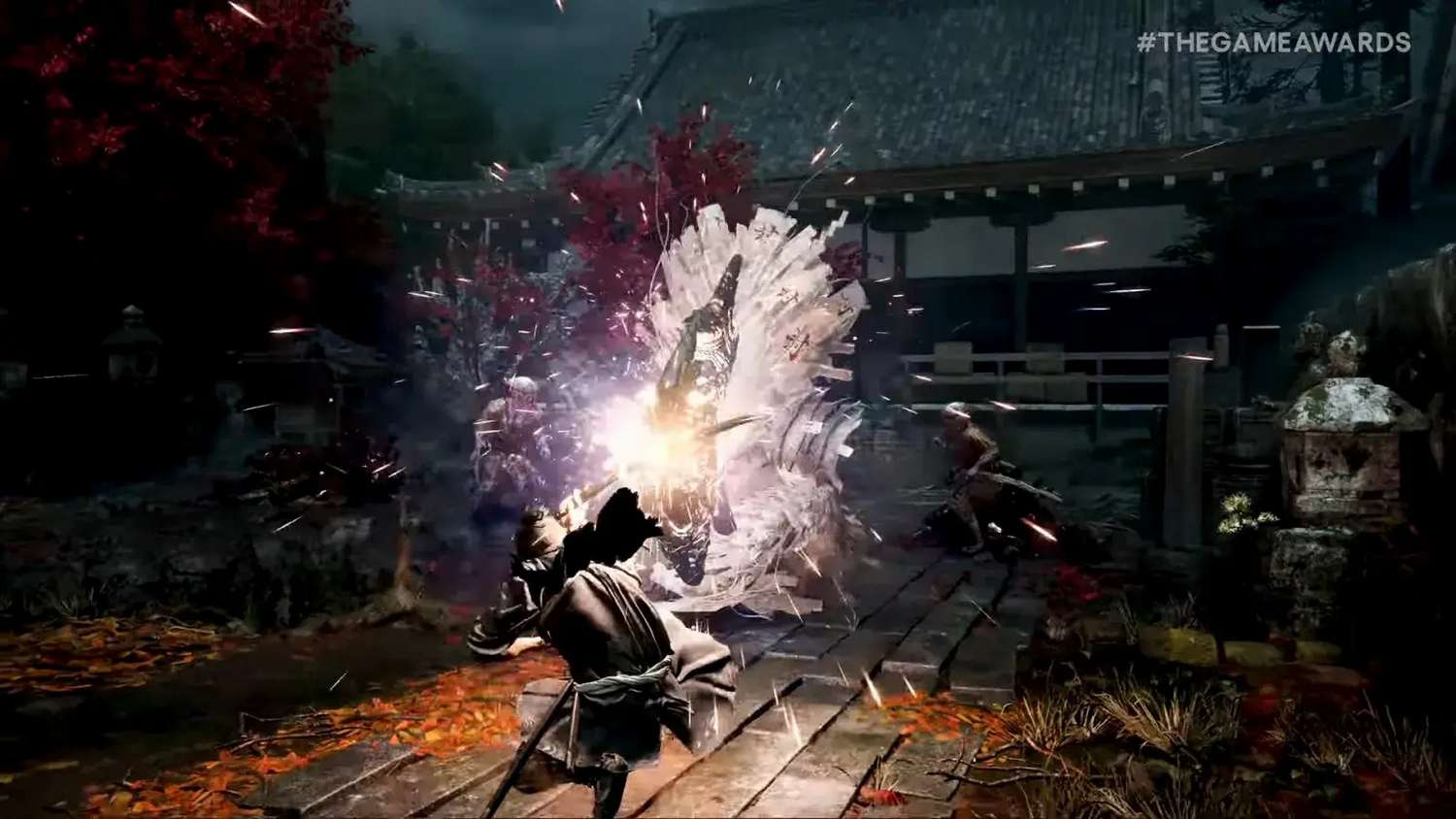 In an era dominated by the punishing difficulty and intricate, often opaque lore of the Soulslike genre, the prospect of a new Onimusha: Way of the Sword emerges as a tantalizing beacon for players seeking a different kind of challenge and narrative engagement. As the gaming landscape continues to evolve, the demand for diverse gameplay experiences remains paramount. This potential new installment in Capcom’s beloved samurai action series is poised not just to revive a dormant franchise but to offer a crucial counterpoint to the prevailing trends in action RPGs, providing a welcome break from the formulaic elements that have defined the Soulslike experience for over a decade.
For years, FromSoftware’s groundbreaking titles like Demon’s Souls, Dark Souls, and most recently, Elden Ring, have set the benchmark for high-difficulty action RPGs, spawning countless imitators and solidifying a distinct sub-genre. While the Soulslike formula offers immense satisfaction through overcoming monumental odds and unraveling deep, cryptic narratives, its ubiquitous presence has led to a certain level of genre fatigue for some segments of the gaming community. Many players are now actively searching for games that prioritize direct storytelling, accessible yet challenging combat, and clear character progression without sacrificing depth. This is precisely where a title like Onimusha: Way of the Sword could carve out its niche, delivering a premium gaming experience that resonates with both nostalgic fans and a new generation of players.
Understanding the Onimusha Legacy and Its Distinctive Appeal
The original Onimusha series, with its roots firmly planted in the PlayStation 2 era, distinguished itself through a unique blend of historical Japanese fantasy, intense sword combat, light puzzle-solving, and fixed camera angles reminiscent of early survival horror titles. Players embodied powerful samurai, augmented by demon powers, battling legions of demonic forces. The core gameplay loop involved fast-paced, visceral combat, often against multiple enemies, requiring precise parries, dodges, and the strategic use of elemental weapons. Unlike the deliberate, stamina-gated combat of Soulslikes, Onimusha emphasized quick reflexes and combo execution, making it feel more like a hack-and-slash with strategic depth rather than a slow, methodical dance of death.
Key elements that define the Onimusha experience include:
- Kinetic Combat: A focus on fluid, responsive swordplay and magical attacks, often allowing for impressive chain combos and satisfying finishing moves.
- Clear Narrative Arc: While drawing from Japanese folklore, Onimusha games typically presented a more straightforward, character-driven story with identifiable heroes and villains, propelling the player forward with a clear sense of purpose.
- Resource Management: Beyond combat, players managed various items, including healing herbs, magical essences, and upgrade materials, adding a layer of strategic thinking without overwhelming complexity.
- Engaging Puzzles: The inclusion of environmental puzzles and riddles offered a periodic change of pace, rewarding keen observation and deductive reasoning rather than pure combat prowess.
- Absorbing Atmosphere: A blend of historical aesthetics with dark fantasy elements created a unique, compelling world that felt both familiar and alien.
These features combine to create an action-adventure experience that, while challenging, offers a different kind of pacing and reward system than its Soulslike counterparts. This distinction is crucial for attracting players who might find the deliberate ambiguity and punishing restarts of the Soulslike genre less appealing, instead favoring a more directed, yet still highly skillful, adventure.
 The Soulslike Paradigm: What Defines the Dominant Genre?
To fully appreciate the potential impact of Onimusha: Way of the Sword, it’s essential to delineate the characteristics that have made the Soulslike genre so pervasive. These games typically feature:
- Punishing Difficulty: A hallmark that encourages meticulous learning, pattern recognition, and often, repeated failures. Death is a core mechanic, often resulting in loss of progress or currency.
- Environmental Storytelling: Narratives are often delivered through item descriptions, subtle environmental cues, and cryptic dialogue, encouraging players to piece together the lore themselves.
- Stamina-Based Combat: Every action, from attacking to dodging, consumes a stamina bar, forcing players to commit to actions and manage their resources carefully.
- Deliberate Pacing: Combat is often slow, weighty, and requires precise timing, making every engagement feel significant and potentially fatal.
- Interconnected World Design: Levels often loop back on themselves, creating a sense of a cohesive, sprawling world that rewards exploration.
- Minimal Hand-Holding: Tutorials are often sparse, and players are expected to discover mechanics and strategies through experimentation.
While these elements have garnered a dedicated fanbase and inspired a wave of successful titles, the formula’s omnipresence has inadvertently created a void for action games that prioritize different design philosophies. Players seeking a high-octane adventure that values precise execution over extreme endurance tests might find themselves wanting something fresh.
Why Onimusha: Way of the Sword is the Timely Antidote
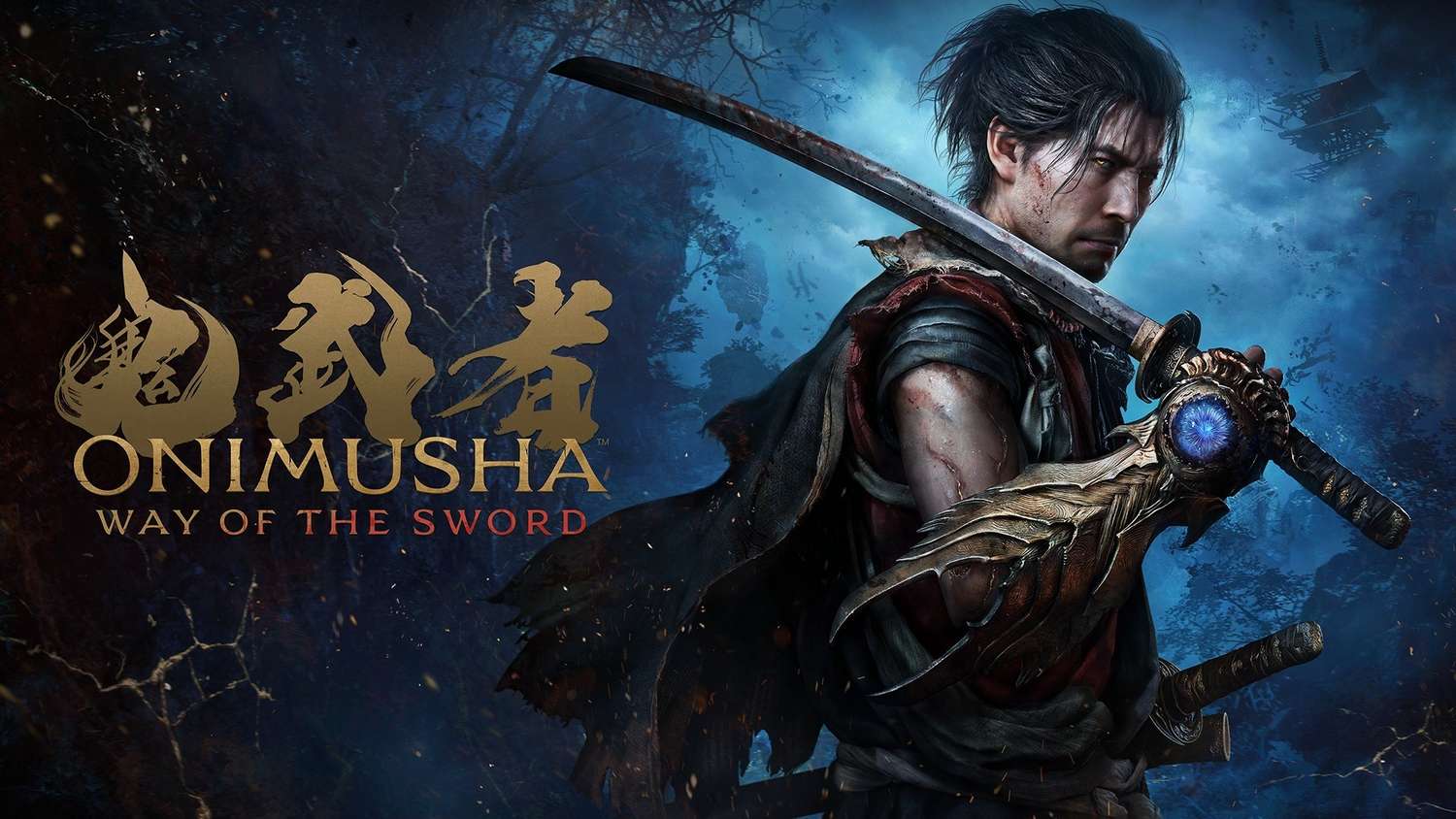
A modern Onimusha: Way of the Sword, built with contemporary graphics and refined combat mechanics, could effectively fill this gap. Imagine a new Onimusha title that:
- Elevates its Signature Combat: With cutting-edge animations and haptic feedback, the swift, satisfying swordplay could feel more impactful than ever, providing a kinetic alternative to the often methodical Soulslike pace. Implementing nuanced parry and counter systems, alongside diverse weapon types and demon powers, would offer immense depth without being overly punishing for casual mistakes.
- Delivers a Gripping, Direct Narrative: Leveraging modern storytelling techniques, a new Onimusha could present a richly detailed narrative steeped in Japanese mythology, with compelling characters and a clear sense of progression. This would appeal to players who prefer to be guided through an epic tale rather than piecing together fragments of lore.
- Optimizes Character Progression: A clear, rewarding system for upgrading abilities, weapons, and armor would provide tangible feedback and a sense of growing power, distinct from the often more incremental and less visible gains in some Soulslikes. This would enhance player engagement and provide clearer goals for resource acquisition.
- Maintains a Balanced Challenge: While offering a respectable level of difficulty that demands skill and practice, Onimusha: Way of the Sword could implement difficulty options or mechanics that cater to a broader audience, without diluting the core experience for veteran players. This accessibility could broaden its market appeal significantly, attracting those who appreciate a challenge but not one that feels insurmountable or frustratingly unfair.
- Innovates World Design: While perhaps not an open world in the Elden Ring sense, an Onimusha title could feature expansive, beautifully rendered environments that blend intricate level design with stunning visual fidelity, encouraging exploration through its beauty rather than solely through the promise of hidden lore. The game could leverage high-fidelity graphics to create truly immersive locales, from ancient castles to haunted forests.
The game could also serve as a benchmark for premium gaming in the action-adventure space, offering a robust single-player experience that provides immense entertainment value and replayability through its combat depth and narrative strength. In a market constantly searching for the ‘next big thing’, a carefully crafted Onimusha: Way of the Sword represents not just nostalgia, but a forward-thinking game development strategy that diversifies the gaming ecosystem.
The Commercial and Critical Potential
From a commercial standpoint, a well-executed Onimusha: Way of the Sword could tap into a significant market segment currently underserved by the Soulslike dominance. It offers a distinct brand identity and gameplay philosophy that can stand shoulder-to-shoulder with other top games in the action genre. Its potential for strong sales, especially among console gaming audiences and PC gaming enthusiasts hungry for high-quality, non-Soulslike action RPGs, is considerable.
Critics, too, would likely appreciate a title that demonstrates innovation and confidence in a different design philosophy. A game that offers a fresh perspective, while still delivering on challenging combat and compelling narratives, would undoubtedly garner positive reviews and generate significant buzz. This could lead to Onimusha: Way of the Sword being hailed as a much-needed breath of fresh air, cementing its status as a vital release in the modern gaming calendar. The natural inclusion of SEO keywords such as ‘best action RPG’, ‘new samurai game’, and ‘top console games’ in discussions around the title would further amplify its visibility.
Conclusion: A New Horizon for Action RPGs
In conclusion, while the Soulslike genre has rightfully earned its place as a gaming titan, the landscape is ripe for diversification. Onimusha: Way of the Sword has the potential to be more than just a revival; it could be a definitive statement, proving that compelling action RPGs can thrive outside the confines of the Soulslike formula. By leaning into its legacy of kinetic combat, strong storytelling, and atmospheric world-building, a new Onimusha title could offer a refreshing and highly engaging alternative, appealing to a broad spectrum of players seeking a different, yet equally rewarding, high-quality gaming experience. Its arrival would signify a thoughtful evolution in game development, acknowledging current gaming trends while boldly forging its own path, offering truly unique entertainment value to the global gaming community.