
Ra Ra BOOM Review: Sci-Fi Cheerleading Brawler Struggles to Stick the Landing in a Crowded Genre









Popular Now
 God of War Ragnarök
 Free Fire
 League of Legends
 EA SPORT FC 25
 FIFA 23
 Poppy Playtime
Garena Free Fire: Kalahari
Poppy Playtime
Garena Free Fire: Kalahari
 Counter-Strike 2
 Minecraft
 Minecraft
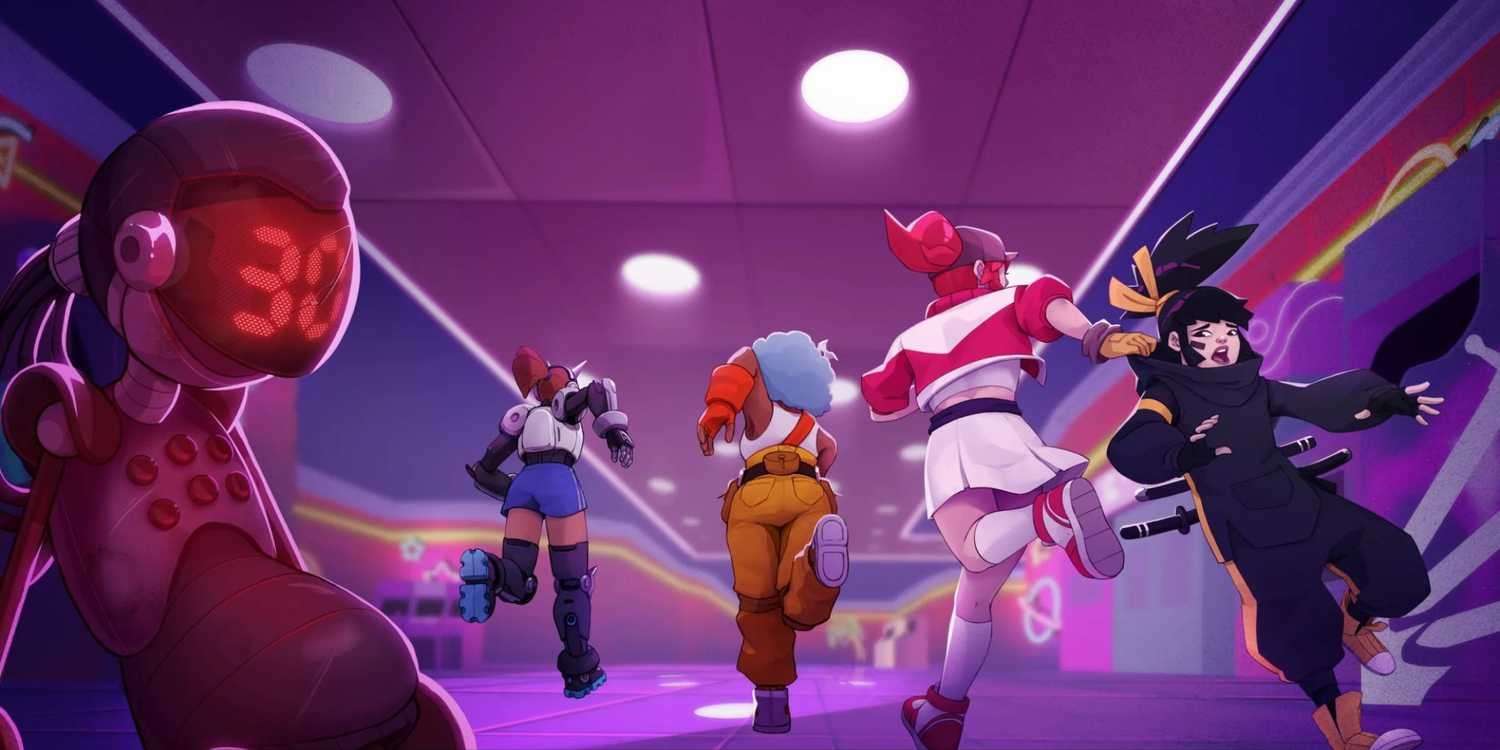 In the vibrant, ever-expanding landscape of indie gaming, developers frequently push boundaries, merging disparate genres and concepts to forge unique experiences. Ra Ra BOOM, developed by Salt & Pepper Games, boldly attempts to do just that, throwing players into a high-octane, sci-fi world where cheerleaders moonlight as brawlers saving the universe. The premise is undeniably captivating: an energetic squad utilizing their acrobatic prowess and synchronized attacks to take down alien threats in a roguelite co-op adventure. However, despite its promising foundation and distinctive art style, Ra Ra BOOM often finds itself tripping over its own feet, failing to execute its ambitious vision with the polished precision modern gamers expect from an engaging brawler.
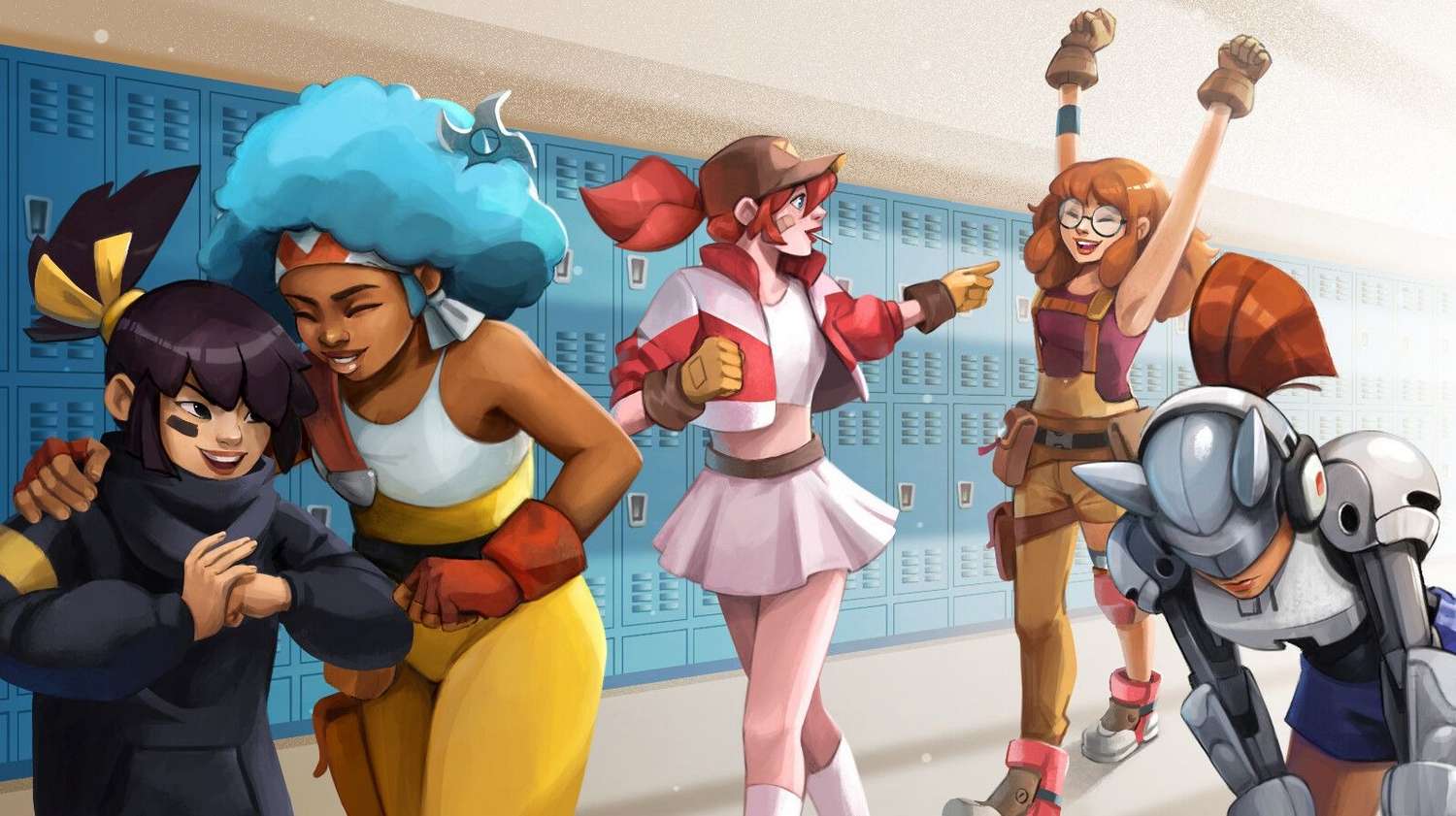
Upon first glance, the game’s aesthetic immediately captures attention. Bright, neon-soaked environments, dynamic character designs, and an infectious soundtrack set a stage ripe for chaotic, joyful destruction. The core loop involves players selecting one of several cheerleaders, each with unique abilities and combat styles, then plunging into procedurally generated arenas to defeat waves of enemies, collect upgrades, and ultimately confront formidable bosses. This familiar roguelite structure, combined with a focus on close-quarters combat and teamwork, should theoretically provide endless replayability and thrilling moments. Yet, the player experience is frequently marred by a series of fundamental issues that prevent Ra Ra BOOM from truly shining.
 The Core Mechanics: A Promising Blueprint, Shaky Execution
At its heart, Ra Ra BOOM is an arena-based brawler. Players chain together light and heavy attacks, utilize special abilities, and strategically dash to evade incoming damage. The emphasis on co-op play is clear, with mechanics designed to encourage synergy between squad members. For instance, some attacks can create openings for teammates, while others provide crowd control or healing. When these elements align, particularly with a well-coordinated team, the combat can indeed feel exhilarating, delivering on the fantasy of a synchronized cheer squad taking down intergalactic foes. The concept of team-based combat in a roguelite framework is a strong selling point, and the potential for deep strategic interplay is evident.
However, the execution of these promising gameplay mechanics is where the game begins to falter significantly. The controls, while seemingly straightforward, often lack the precise responsiveness crucial for a fast-paced action game. Attacks can feel weighty in an unresponsive way, leading to missed inputs or sequences that don’t quite connect as intended. This input lag or general imprecision becomes particularly frustrating during intense skirmishes, where quick reflexes and accurate targeting are paramount. Furthermore, the collision detection can be inconsistent, occasionally causing attacks to phase through enemies or players to get inexplicably stuck on environmental elements. These recurring minor irritations accumulate, gradually eroding the enjoyment of what should be a fluid combat system.
Stumbling Blocks: Where Ra Ra BOOM Loses Its Footing
The primary critique of Ra Ra BOOM revolves around several key areas that impact the overall value proposition for players seeking a robust action experience:
- Unbalanced Difficulty Spikes: The roguelite progression often feels less like a curva di difficoltà and more like a series of unpredictable walls. Early levels can be forgiving, but subsequent stages often introduce enemy types with disproportionate health pools or attack patterns that feel less challenging and more tedious to overcome, especially when playing solo. This lack of smooth progression diminishes the incentive for repeated runs.
- Repetitive Level Design: While procedurally generated, the arenas quickly start to blend together. The visual variety is present, but the actual structural layouts and interactive elements often feel similar, leading to a sense of monotony across multiple playthroughs. This impacts the game’s long-term engagement, a critical factor for any roguelite.
- Technical Performance Issues: Even on capable hardware, Ra Ra BOOM can exhibit noticeable frame rate drops, particularly when the screen fills with numerous enemies and particle effects. These performance hiccups disrupt the flow of combat and further exacerbate the feeling of imprecise controls, detracting from the overall gaming experience.
- Lack of Depth in Progression: Beyond unlocking new cheerleaders and basic stat upgrades, the long-term progression system feels somewhat shallow. There isn’t a strong sense of a rewarding power curve or a diverse array of game-changing modifiers that encourage continued exploration and experimentation. Compared to other successful roguelites, the incentive to grind for further unlocks feels less compelling.
- Camera Frustrations: The camera system, while attempting to keep all players in view during co-op, can at times be more of a hindrance than a help. It occasionally zooms out too far, making individual character recognition difficult, or positions itself awkwardly, obscuring critical action behind environmental obstacles.
These issues contribute to a pervasive feeling that the game, while brimming with potential, needed more time in development for refinement and polish. For an indie game review, acknowledging these challenges is crucial for prospective buyers.
 Bright Spots Amidst the Stumbles: Potential for Future Success
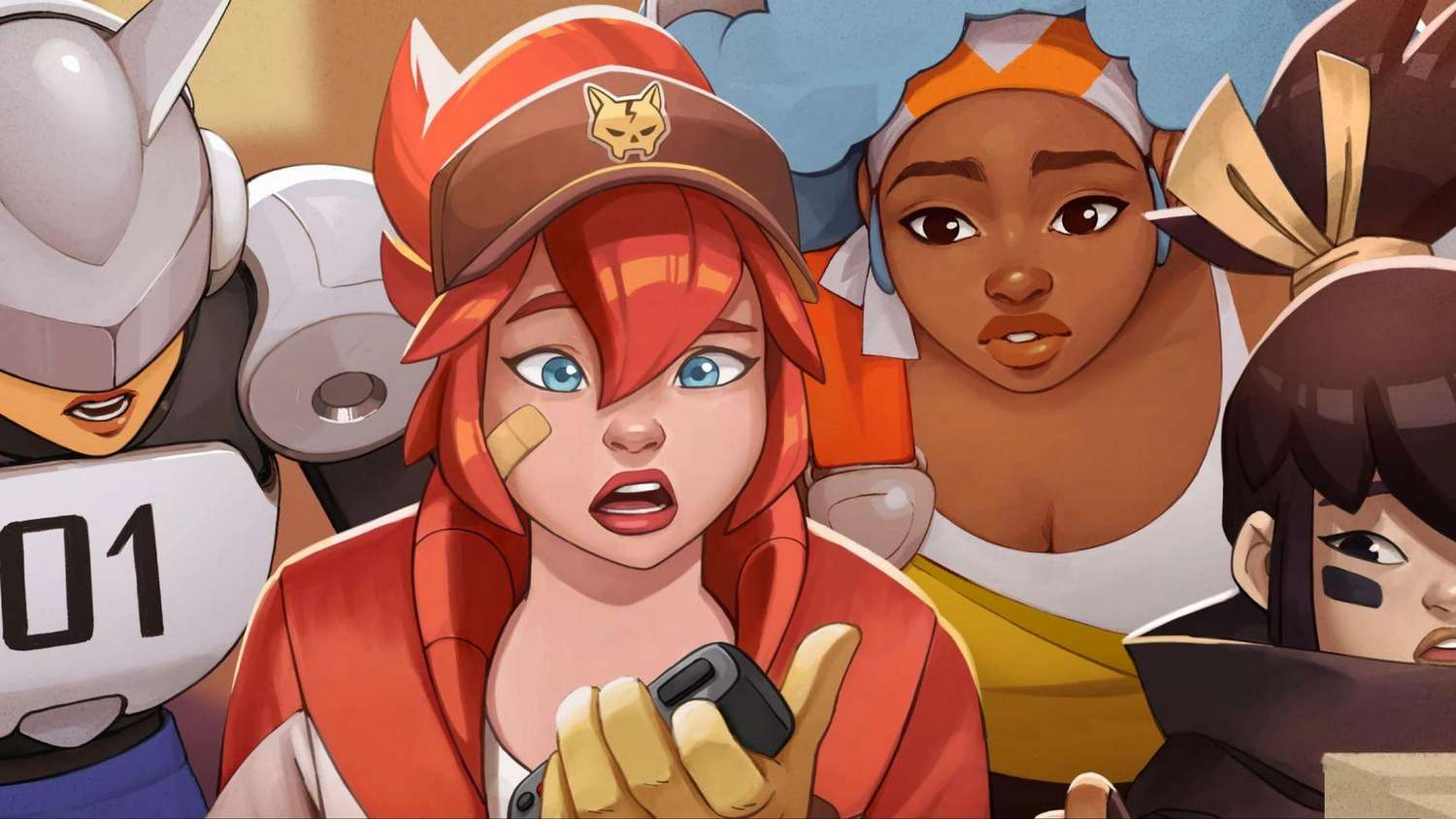
Despite its current drawbacks, Ra Ra BOOM is not without its merits and undeniable charm. The game’s premise alone is a testament to creative thinking, and the visual design is consistently excellent. The character animations, when not hindered by technical issues, are fluid and expressive, capturing the energetic spirit of cheerleading. Furthermore, the underlying concept of a synergistic co-op brawler remains a strong foundation.
There is significant room for growth through future game updates and patches. Addressing the control responsiveness, optimizing performance, and refining the difficulty curve could dramatically improve the player experience. Introducing more diverse enemy types, environmental hazards, and a deeper meta-progression system would also greatly enhance its longevity. The unique blend of genres positions Ra Ra BOOM to potentially become a beloved niche title, but only if its core mechanical flaws are rigorously addressed. The promise of high-energy, synchronized combat is tantalizing, and the game’s passionate community is eager for improvements that will allow it to truly shine.
The Verdict: A Promising Concept Awaiting Its Perfect Routine
Ra Ra BOOM embodies the spirit of indie game development: bold ideas, vibrant aesthetics, and a willingness to experiment. However, it also serves as a stark reminder of the challenges inherent in translating grand visions into flawless interactive experiences. While the game’s premise of sci-fi cheerleaders battling aliens is a stroke of genius, and its artistic direction is commendable, the current state of its gameplay mechanics, technical performance, and progression systems prevent it from achieving its full potential.
For players seeking a truly polished and consistently satisfying action game review experience, Ra Ra BOOM might currently prove to be a frustrating endeavor. However, for those intrigued by its unique concept and willing to overlook some significant rough edges, especially with a group of friends, there are moments of genuine fun to be found. The game feels like a cheerleading squad still practicing their routine – all the right moves are there, but they just can’t quite seem to stick the landing every time. With dedicated support and thoughtful patch updates expectations from its developers, Ra Ra BOOM could still evolve into the stellar sci-fi brawler it aspires to be. As it stands, it’s a game with incredible promise that currently struggles to find its steady footing in the fiercely competitive gaming landscape.