
Screamer Unleashes Genre-Bending Mayhem: Anime-Inspired Racing Fuses with Fighting Game Mechanics









Popular Now
 Roblox
Counter-Strike 2
Roblox
Counter-Strike 2
 R.E.P.O
Poppy Playtime
God of War Ragnarök
R.E.P.O
Poppy Playtime
God of War Ragnarök
 League of Legends
 Warframe
 Fortnite
 Black Myth: Wukong
 Gacha Club
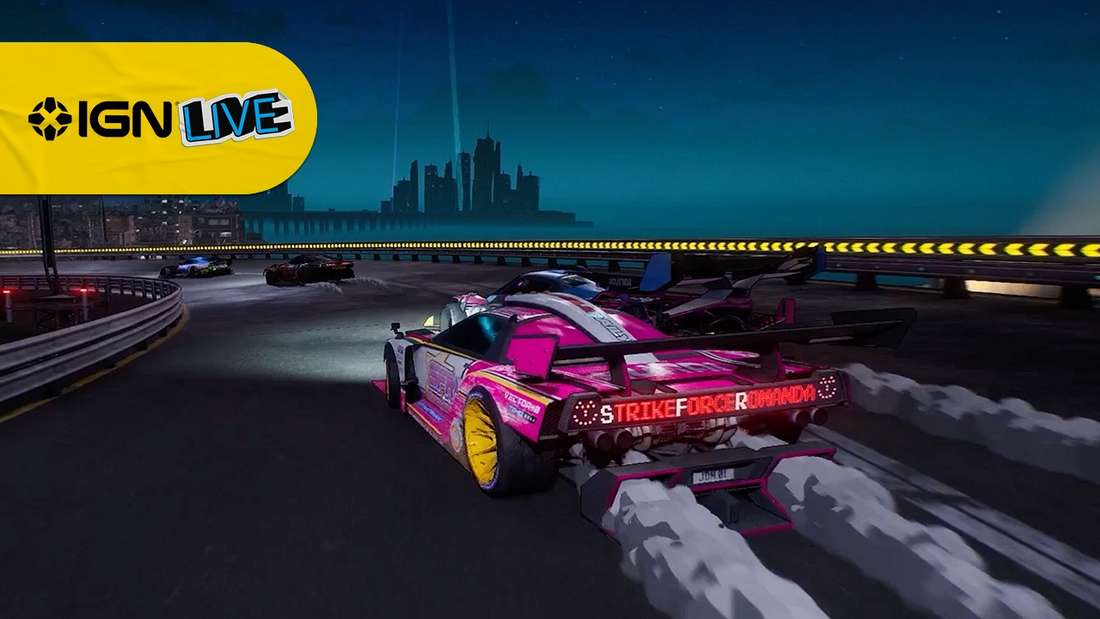 In a bold move poised to redefine the competitive racing landscape, an ambitious new title, Screamer, is revving its engines, promising a radical blend of high-octane arcade racing with the intricate strategic depth typically found in fighting games. This innovative approach seeks to captivate a broad spectrum of gamers, from speed demons to tactical combatants, delivering a unique gameplay experience inspired by the vibrant aesthetics of anime. As the gaming industry continuously seeks fresh concepts, Screamer emerges as a frontrunner in hybrid genre development, offering a truly distinctive proposition in an increasingly crowded market.
The announcement of Screamer has already generated significant buzz among gaming enthusiasts and industry analysts alike. The core premise – marrying exhilarating vehicle combat with the precision and timing of a martial arts duel – presents a fascinating challenge and an immense opportunity for developers to craft something genuinely novel. This isn’t just about adding weapons to cars; it’s about integrating a full-fledged combat system into the very fabric of the driving experience, demanding both lightning-fast reflexes behind the wheel and strategic decision-making in the heat of battle.
Unpacking the Arcade Racing Core: Speed, Style, and Adrenaline
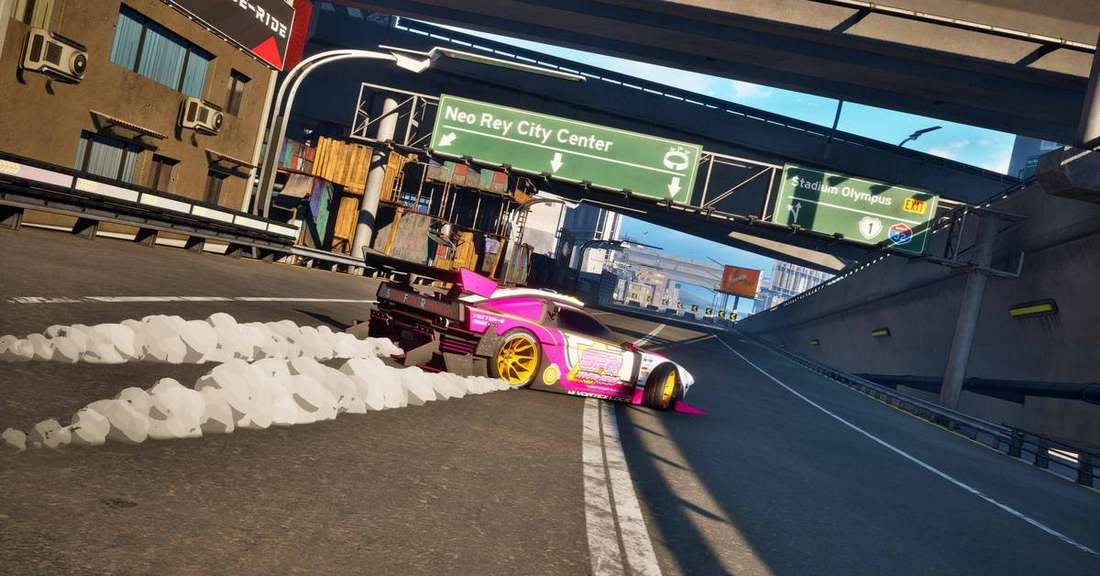
At its heart, Screamer promises an exhilarating arcade racing foundation. Players can expect blistering speeds, visually stunning tracks that range from futuristic cityscapes to perilous post-apocalyptic arenas, and responsive controls designed for immediate enjoyment. The vehicles themselves are expected to be highly stylized, drawing heavily from anime aesthetics, allowing for extensive customization options that go beyond mere cosmetic changes. Imagine sleek, aerodynamic machines adorned with vibrant decals and glowing neon accents, each a reflection of the player’s personal style and combat preference.
The racing aspect isn’t merely a backdrop; it’s an integral component of the strategic gameplay. Mastery of drifting, boost management, and track knowledge will be paramount for securing prime positions. However, unlike traditional racing games where defensive driving primarily means avoiding collisions, Screamer introduces offensive and defensive maneuvers inherent to fighting games. This means players will need to not only outmaneuver opponents but also out-fight them, making every corner and straightaway a potential arena for a tactical engagement.
 Fighting Game Fusion: Strategic Combat On The Go
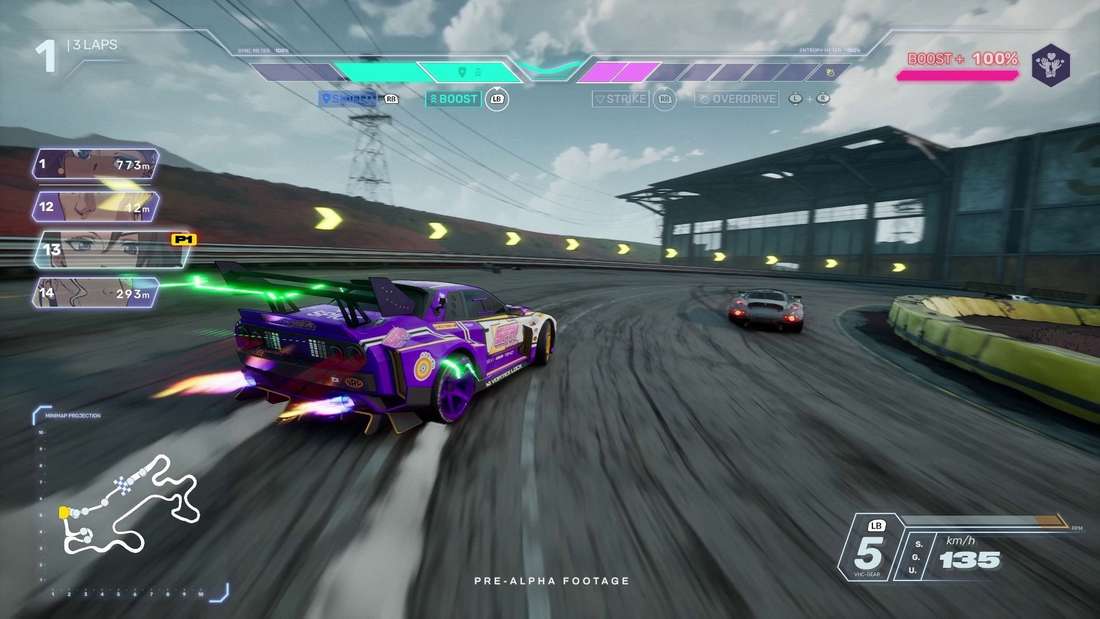
Where Screamer truly diverges from its peers is in its audacious integration of fighting game mechanics. This goes far beyond simple power-ups or weapon pickups. Each vehicle, akin to a character in a fighting game, will possess a unique moveset, special abilities, and a distinct fighting style. Players will engage in dynamic, real-time vehicular combat that demands a deep understanding of combos, counters, parries, and defensive maneuvers.
- Signature Abilities: Vehicles will feature specific ‘Driver Arts’ or ‘Vehicle Supers’ – powerful, resource-dependent abilities that can turn the tide of a race or combat encounter. These might range from localized EMP blasts to temporary invincibility frames, or even grappling hooks to pull opponents closer for a devastating follow-up.
- Combo System: Executing a series of precise attacks or maneuvers will result in combo chains, dealing increased damage or debilitating effects to rival drivers. This encourages skilled players to link defensive blocks with offensive lunges, creating high-impact sequences.
- Resource Management: Similar to a fighting game’s meter system, Screamer will likely incorporate a resource for special moves and defensive actions, requiring players to carefully manage their energy to unleash powerful attacks or escape critical situations.
- Parrying and Counters: The ability to perfectly time a block or counter an incoming attack could be crucial. A successful parry might leave an opponent vulnerable, opening a window for a decisive strike, adding a layer of strategic depth rarely seen in driving games.
- Character Archetypes: Different drivers and their corresponding vehicles could embody classic fighting game archetypes – the agile ‘rushdown’ vehicle, the heavy-hitting ‘grappler’ car, or the long-range ‘zoner’ machine, each requiring distinct strategies.
This deep mechanical overlay transforms every race into a multi-layered chess match where positioning, timing, and execution are equally vital for victory. The synergy between driving and fighting will create a higher skill ceiling and a richer, more rewarding competitive experience.
Anime Aesthetics and Narrative Potential: A Visual Spectacle
The choice of an anime-inspired art style is a deliberate one, aiming to deliver a visually stunning and dynamically expressive game world. This aesthetic lends itself perfectly to exaggerated action, vibrant particle effects, and character designs that pop. From the designs of the vehicles themselves, which could transform or reveal hidden weaponry, to the visual feedback of combat – dramatic explosions, energy trails, and dynamic camera angles – Screamer intends to be a feast for the eyes.
Beyond the visual flair, an anime backdrop also opens doors for compelling narrative elements. Each driver could have a unique backstory, motivations, and rivalries, fueling a robust single-player campaign. Imagine a tournament arc where the stakes are more than just winning a race, but about personal growth, revenge, or saving the world. This narrative depth, combined with the innovative gameplay, could elevate Screamer beyond a simple arcade game into a rich, immersive interactive experience.
 Competitive Edge and Esports Horizon: Beyond the Finish Line
The hybrid nature of Screamer positions it uniquely within the competitive gaming landscape. The amalgamation of precision driving and strategic fighting creates a high skill ceiling, a hallmark of successful esports titles. Spectators could witness not just thrilling overtakes but also spectacular vehicular duels, intricate combo breaks, and clutch parries that decide races in mere milliseconds. This potent combination could attract a dedicated competitive community eager to master both aspects of its intricate gameplay.
Developers will likely consider robust online multiplayer modes, ranked ladders, and replay functionalities crucial for nurturing a competitive scene. The potential for diverse metagames, where players discover and exploit unique vehicle matchups and counter-strategies, could keep the game fresh and engaging for years. Screamer offers the blueprint for a fresh take on esports, where car combat reaches new strategic heights.
Addressing the Market: Innovation in a Crowded Landscape
In a gaming market saturated with traditional racing simulators and fighting game franchises, Screamer stands out by daring to blend these seemingly disparate genres. It caters to a demographic hungry for innovation, those who appreciate the speed of Forza or Gran Turismo but crave the depth of Street Fighter or Guilty Gear. By forging a new path, Screamer aims to capture a niche that has long been underserved, offering an experience that is both familiar in its individual components and utterly groundbreaking in its synergy.
This bold design choice minimizes direct competition by creating its own category. Instead of vying for attention within a single established genre, Screamer carves out a new space for itself, promising an unparalleled fusion of high-octane action and cerebral combat. It represents a forward-thinking approach to game development, pushing boundaries and challenging conventional design philosophies.
Anticipation and Outlook: What to Expect from Screamer
The promise of Screamer is significant. It represents a potential paradigm shift in how driving and combat mechanics can interact in a seamless, engaging manner. While the technical challenges of blending these two complex genres are considerable, the payoff for players could be immense: a game that offers both exhilarating speed and profound strategic depth, all wrapped in a visually captivating anime aesthetic. As more details emerge about its development and eventual release, Screamer is undoubtedly a title to watch, offering a glimpse into the future of interactive entertainment where genre boundaries are not just blurred but obliterated to forge entirely new experiences.