
World of Warcraft Housing: After Hands-On Analysis, Does Azeroth’s Personal Space Truly Deliver?










Popular Now
 Sonic the Hedgehog™ Classic
FIFA 23
Sonic the Hedgehog™ Classic
FIFA 23
 BeamNG.drive
 Toca Boca World
 CarX Street
 Geometry Dash
 Stumble Guys
 Gacha Club
 Minecraft
 Counter-Strike 2
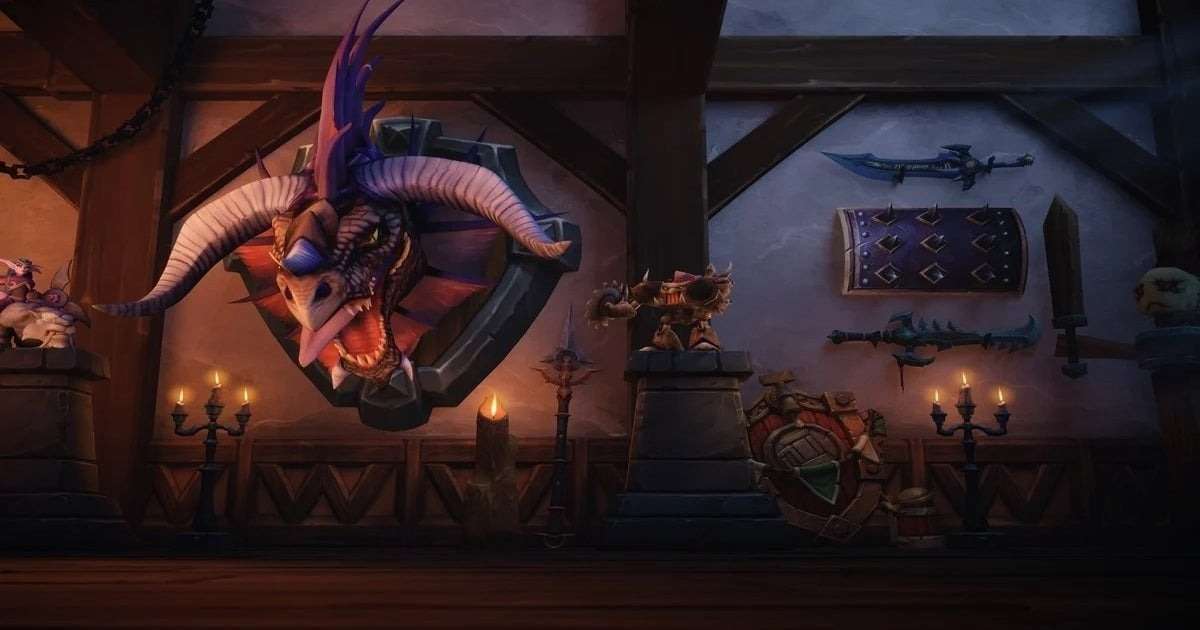 The concept of player housing in World of Warcraft has been a perennial topic of debate and fervent community desire for well over a decade. While other leading MMORPGs like Final Fantasy XIV and Elder Scrolls Online have masterfully integrated robust, deeply customizable player abodes, Blizzard Entertainment’s flagship title has largely shied away from offering a comparable system. After extensive hands-on examination of WoW’s various attempts at player instancing and personalization, the burning question remains: does any current or past iteration truly capture the essence, the ‘sauce,’ of compelling virtual home ownership?
For millions of adventurers traversing Azeroth, the allure of a personal sanctuary extends far beyond mere cosmetic customization. It represents a canvas for self-expression, a social hub for guildmates, a utilitarian space for crafting and resource management, and a deeper sense of belonging in a vast, ever-changing world. This article delves into World of Warcraft’s approach to player-owned spaces, scrutinizing its successes, its shortcomings, and the persistent community plea for a proper housing system.
The Longstanding Craving for Personal Space in Azeroth
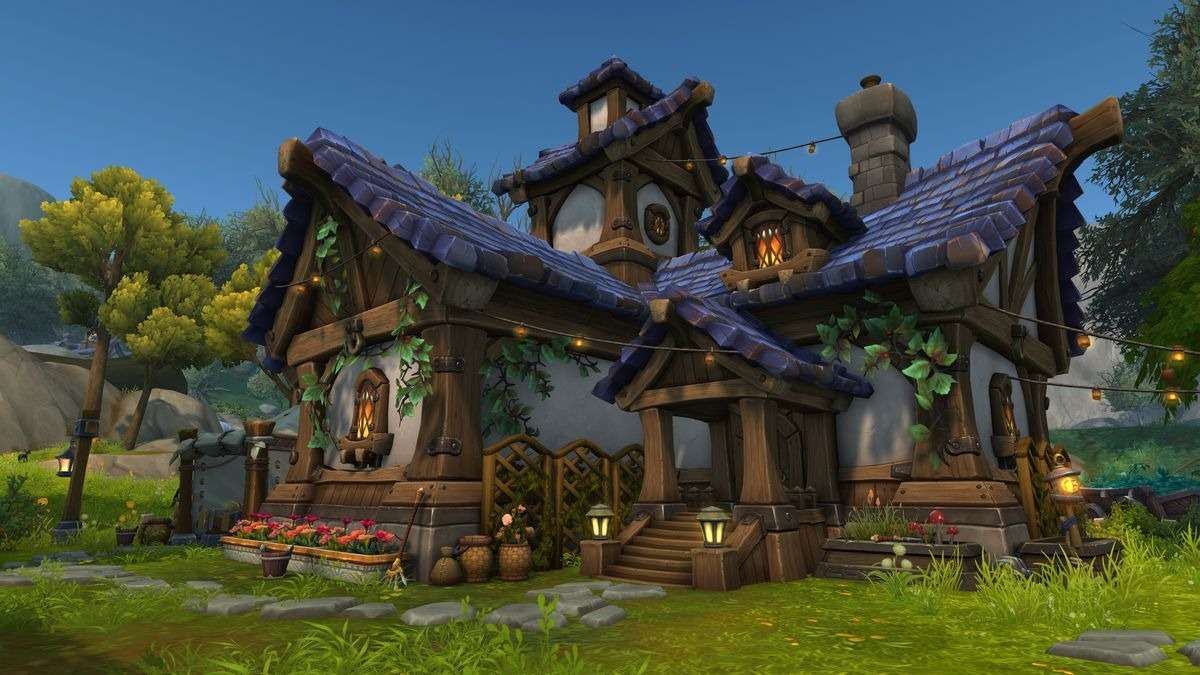
Why is player housing such a high-demand feature? For many players, especially those heavily invested in the role-playing aspects or simply seeking a respite from the perpetual grind of questing and raiding, a customizable home offers unparalleled immersion. It allows for a unique identity within the game world, a tangible representation of their journey and achievements. Imagine decorating a cozy cottage in Elwynn Forest with trophies from vanquished foes, or a grand fortress in the Grizzly Hills adorned with rare artifacts. This ‘virtual real estate’ isn’t just about aesthetics; it’s about persistence, progression, and a personal stake in the game’s evolving narrative. High-CPC keywords related to ‘MMORPG customization’ and ‘player engagement’ frequently highlight the value proposition of such features for long-term player retention.
 WoW’s Forays into Instanced Personalization: Garrisons and Beyond
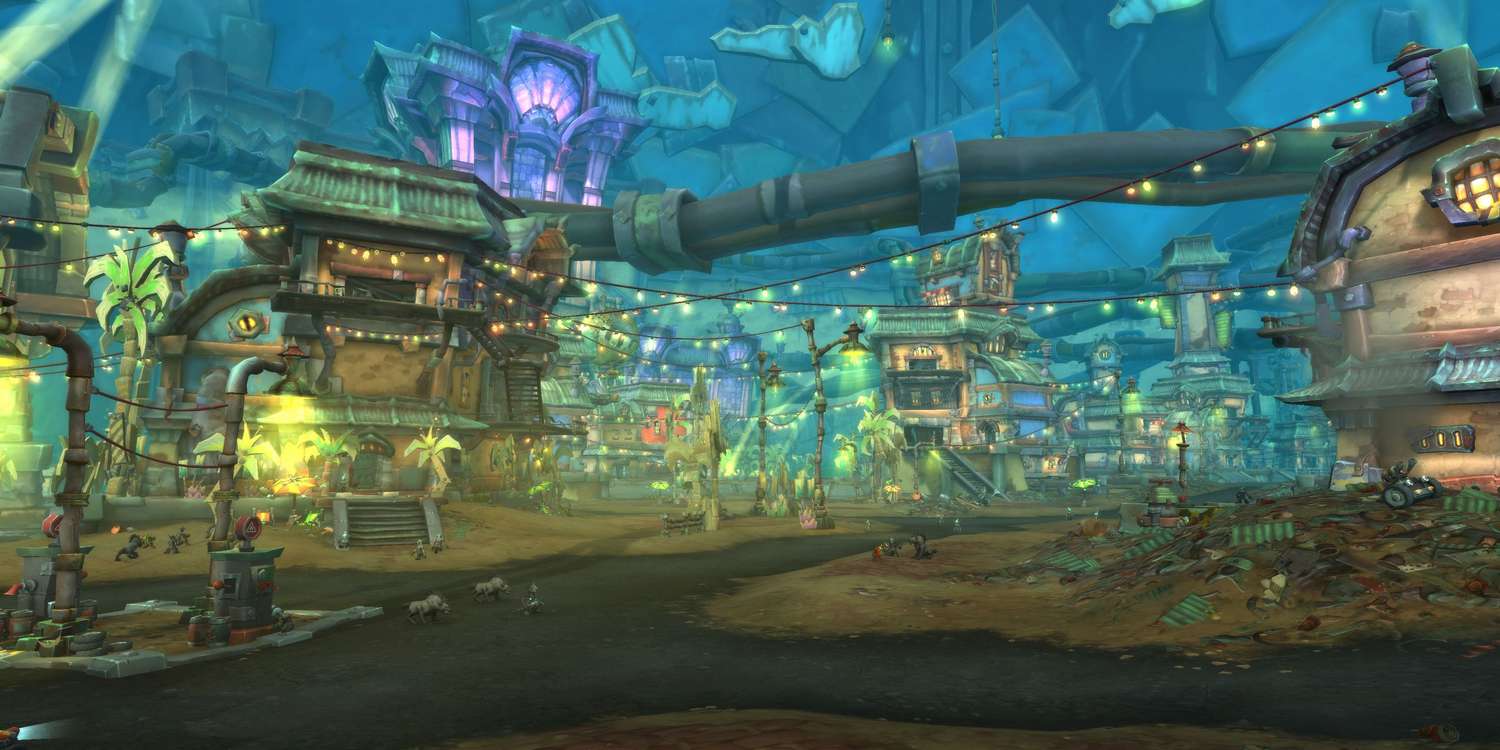
Blizzard is not entirely oblivious to the desire for personal spaces. The most significant and ambitious attempt at player instancing came with the Warlords of Draenor expansion: the Garrison. Heralded as a cornerstone feature, Garrisons promised a personal fortress that players could upgrade, populate with followers, and use for crafting and mission tables. On paper, it sounded like a dream come true for housing enthusiasts.
- Initial Promise: The idea of building your own base, recruiting followers, and engaging in passive content loops was innovative and exciting. Players could choose between different building types, recruit iconic WoW characters, and gather resources directly.
- Execution Flaws: In practice, Garrisons suffered from critical design choices that ultimately undermined their potential as true housing. They felt mandatory rather than optional, quickly becoming an isolating chore rather than a cherished personal space. The instanced nature meant players rarely encountered others within their Garrisons, transforming what should have been a social hub into a solitary island. Furthermore, their thematic tie to Draenor made them feel temporary, lacking the permanence associated with true player housing.
- Class Order Halls: Legion introduced Class Order Halls, a thematic upgrade from Garrisons that served as a central hub for specific classes. While visually stunning and steeped in lore, they were shared spaces, not personal homes, offering very limited individual customization.
- Dragonflight’s Expedition Basecamp: More recently, Dragonflight introduced the Dragonscale Expedition’s basecamp, which players contribute to upgrading. While a communal hub, it hints at a design philosophy trending towards player agency in shaping persistent world elements, though still far from personal housing.
These features, while providing utility and some degree of personal interaction, consistently missed the mark on delivering the deeply personal, social, and aesthetically flexible experience that defines ‘housing with the sauce’ in competing titles. The core issue often boiled down to a lack of genuine player choice, a transient feeling, and an isolating design that ran counter to the MMORPG ethos.
The ‘Sauce’ Test: What Defines Compelling MMORPG Housing?
To understand what WoW lacks, it’s essential to examine what makes player housing truly compelling in other successful MMORPGs. These systems typically share several key characteristics:
- Deep Customization: The ability to freely place and rotate hundreds, if not thousands, of furniture items, trophies, and decorations. This includes both interior and exterior customization.
- Social Integration: Houses that are easily visitable by friends and guildmates, often serving as social hubs for events, role-playing, or simply showcasing achievements.
- Utility and Functionality: Integration with crafting stations, banking, auction house access, and storage options that enhance the gameplay loop rather than replacing it.
- Permanence and Progression: A home that feels like a lasting investment, something that grows and evolves with the player over many expansions.
- Accessibility and Ownership: Systems that allow players to easily acquire and maintain homes without excessive real-money investment or punitive upkeep systems. Many games offer free starter housing or reasonable in-game currency costs for basic plots.
Games like Final Fantasy XIV allow players to purchase plots of land in beautiful residential districts, build houses, furnish them extensively, and even run player-run businesses. Elder Scrolls Online provides an impressive array of homes, from cozy apartments to sprawling manors, all customizable with a vast catalog of furnishings. These systems foster a unique player-driven economy for housing items and provide an unparalleled sense of ownership and community.
 The Developers’ Dilemma: Why the Hesitation?
Given the persistent demand and the success of housing in rival titles, why has Blizzard been so reluctant to fully commit? Several factors likely contribute to this hesitation:
- Technical Hurdles: Implementing a massive, persistent housing system for millions of players in a game as old and complex as WoW presents significant technical challenges. Server load, instancing solutions, and the sheer volume of assets required could be a daunting task.
- Design Philosophy: Historically, Blizzard has prioritized an open-world, shared experience. There might be a concern that a robust housing system could lead to player isolation, pulling them away from the vibrant world and its shared objectives. Garrisons, unfortunately, reinforced this fear.
- Resource Allocation: Developing a top-tier housing system is a massive undertaking, requiring dedicated teams for art, design, and engineering. These resources might be prioritized for core content like raids, dungeons, and new zones, which traditionally drive subscription and engagement.
- Impact on World Design: Integrating housing plots seamlessly into the existing zones of Azeroth without disrupting the established aesthetic and flow of the world is another complex design consideration.
The Community’s Unwavering Verdict
Despite the challenges, the WoW community’s desire for genuine player housing remains strong. Forums, social media, and fan art continually highlight the creative potential and player engagement a true housing system could unlock. Many believe that such a feature would significantly boost player retention, provide a crucial evergreen content loop, and offer a powerful new layer of role-playing and social interaction that the game currently lacks. The sense of ‘home’ is a fundamental human desire, and its virtual equivalent in a long-standing virtual world like Azeroth could be an incredibly powerful draw, especially for veteran players seeking deeper avenues for personal expression.
Conclusion: The ‘Sauce’ Remains Elusive, For Now
After going hands-on with World of Warcraft’s historical and current player personalization features, it becomes abundantly clear that while the game offers various avenues for individual expression – from character transmogrification to mount collection – a truly compelling, deeply customizable, and socially integrated player housing system remains elusive. The Garrisons of Draenor provided a glimpse of the potential but ultimately failed to deliver the ‘sauce’ due to their isolating and mandatory nature. The subsequent features, while improving some aspects of player agency, still don’t scratch the persistent itch for a true home in Azeroth.
Blizzard faces a monumental task if it ever decides to fully embrace player housing, balancing technical limitations with a long-standing design philosophy. However, the potential rewards – increased player engagement, renewed veteran interest, and a vibrant new dimension to the world of Azeroth – are too significant to ignore. Until then, the dream of a personalized haven in Azeroth, a space truly brimming with unique ‘sauce,’ continues to simmer on the community’s wishlist, awaiting its moment to truly shine.